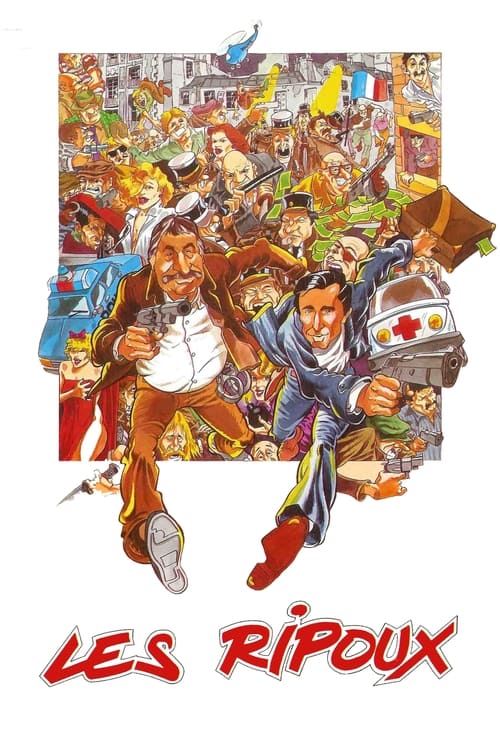
My New Partner
1984
No user ratings available yet
Diversity score: 2.9 out of 10
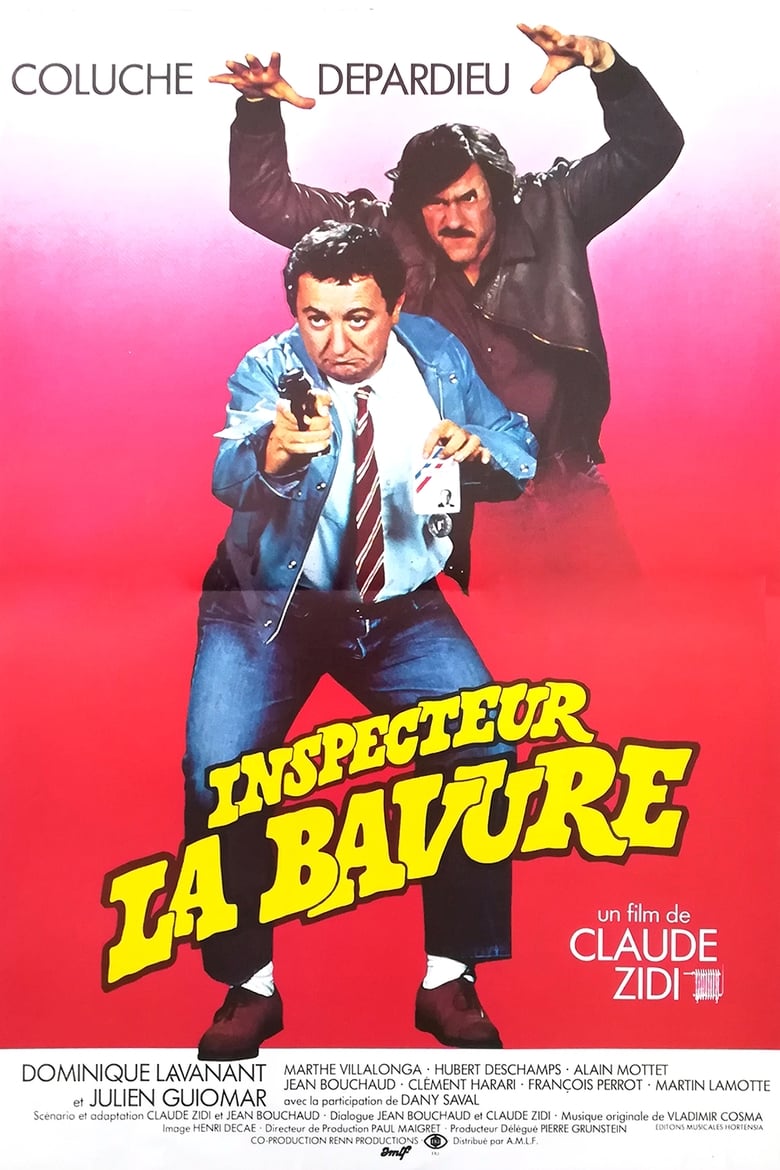
1980
Director
Claude Zidi
Runtime
100 minutes
Average Rating
No ratings yetSynopsis
A detective, fresh out of the academy (lowest mark in class), gets the assignment to bodyguard a spoiled rich girl reporter. She's been interviewed on TV and has questioned the virility of a mobster who kidnaps her later.
Overall Score
Fair
Category Breakdown
LGBTQ+ Representation
The film lacks any evidence of non-heteronormative identities or queer narratives. The story focuses on a traditional detective and protector dynamic.
Gender Representation
The plot subverts passive female tropes by centering on a rich reporter whose verbal provocation drives the story. Her challenge to a mobster's virility serves as the primary catalyst.
Racial & Ethnic Diversity
The narrative prioritizes class distinctions over racial or ethnic intersectionality. The cast appears to follow the conventional demographic patterns typical of 1980s French cinema.
Religious & Cultural Diversity
The film mocks meritocratic ideals by featuring a detective with the lowest academy marks. It uses class friction to satirize state authority and the upper class.
Disability Representation
There is no information regarding the portrayal of physical or neurodivergent disabilities in this work.
Strengths
Areas for Improvement
AI Analysis
Inspector Blunder functions as a social satire that targets institutional incompetence and rigid social hierarchies. By centering the story on a low-achieving detective and a provocative wealthy reporter, the film deconstructs traditional authority figures and meritocratic ideals. While the film offers a critique of class structures, it lacks significant intersectional depth. There is no visible representation of LGBTQ+ identities or diverse racial backgrounds, keeping the focus on domestic social friction. Ultimately, the film's strength lies in its subversion of professional competence and its use of a female character to drive the narrative through social provocation.
1984
1984
2020
1980
1992

1968
1967
1979
1973
1985

2008

1975
No reviews yet. Be the first to share your thoughts on this movie!
Use the rating form above to leave a star rating and optional review.