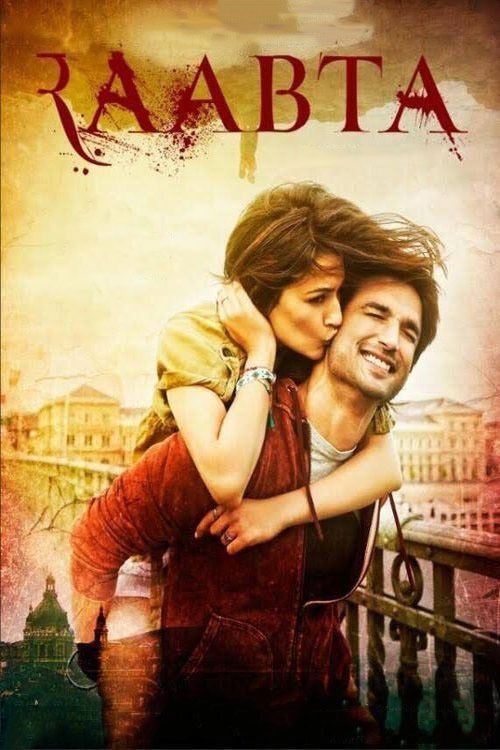
Raabta
2017
No user ratings available yet
Diversity score: 2.7 out of 10

2006
Director
Bunty Soorma
Runtime
128 minutes
Average Rating
No ratings yetSynopsis
Jaipur-based Durga has been blind as far as she can remember, and helps her dad make clay statues of Hindu Gods and Goddesses. When her dad passes away, she and her mom continue making clay statues to make a living. Then one day Durga is involved in an accident and is rescued by a young man named Babu. Both of them fall in love with each and want to get married. But before that could happen, Dubai returned Rana, another man who wants to marry Durga, kills her mom and then Babu himself. A devastated Durga undergoes eye surgery through Swiss-based Dr. R.K. Prasad and regains her sight. Dr. Prasad takes her with him to live in Switzerland and this is where multi-millionaire Raj enters her life and wants to marry her.
Overall Score
Limited
Category Breakdown
LGBTQ+ Representation
The film follows a strictly heteronormative romantic triangle. There is no presence of non-cisnormative identities or same-sex intimacy within the narrative.
Gender Representation
Durga possesses agency through her journey from blindness to sight. However, her arc remains tied to emotional responses to men and traditional feminine themes of sacrifice.
Racial & Ethnic Diversity
The setting and cast are predominantly South Asian. A shift to Switzerland introduces a globalized backdrop, though it functions primarily to escalate the romantic stakes.
Religious & Cultural Diversity
The story is rooted in Indian motifs, such as the artistry of Hindu deity statues. It reinforces traditional values regarding family, marriage, and romantic loyalty.
Disability Representation
Blindness serves as a central plot engine. The narrative treats the condition as a catalyst for a restorative miracle rather than exploring a nuanced lived experience.
Strengths
Areas for Improvement
AI Analysis
The film operates as a traditional Bollywood melodrama, prioritizing heightened emotional stakes and romantic archetypes over social disruption. It adheres to mid-2000s genre conventions, focusing on destiny and sacrifice. While the protagonist's disability and the cultural setting of Jaipur provide specific character depth, these elements often serve the plot's romantic escalation rather than challenging systemic hierarchies. The narrative structure reinforces conventional social roles. Ultimately, the film reflects mainstream cinematic standards of its era. It provides a culturally specific experience but lacks the intersectional depth required to subvert traditional romantic or gendered frameworks.
2017
2017
2014
1999

2017
2006

2008

2007
2002
2007
No reviews yet. Be the first to share your thoughts on this movie!
Use the rating form above to leave a star rating and optional review.