
Celts
2022
No user ratings available yet
Representation score: 7.7 out of 10
Representation Score
Fair
2023
Director
Vladimir Perišić
Runtime
98 minutes
Average Rating
No ratings yetNew Showbiz Analysis
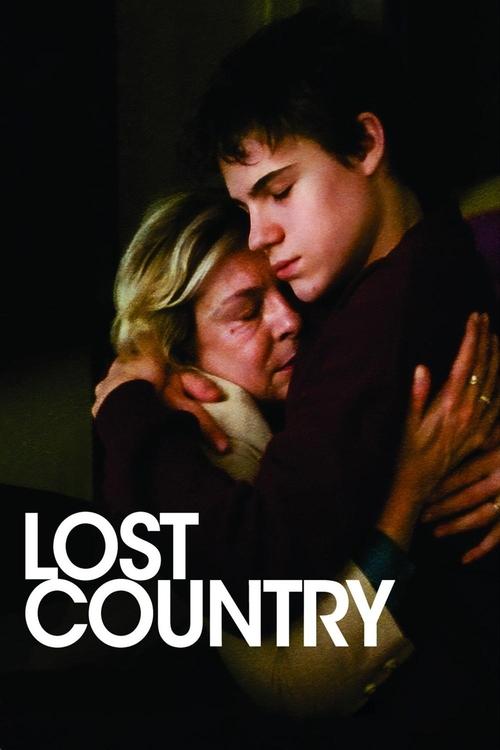
Lost Country is a sociopolitical drama centered on the 1996 student protests in Belgrade. It uses a personal family conflict to explore broader themes of systemic corruption and the dismantling of authority. The film's strength lies in its willingness to challenge established social hierarchies. By pitting a teenager against his own mother, the story moves beyond simple historical reenactment into a critique of how individuals uphold or resist corrupt regimes. However, the narrative appears narrow in its demographic scope. While it excels at ideological subversion, it lacks visible representation of LGBTQ+ identities or diverse racial backgrounds, focusing instead on a specific historical and ethnic context.
Category Breakdown
The film does not explicitly include LGBTQ+ characters or explore non-straight relationships. The storyline centers around the political and generational tensions between a teenager and his mother.
The narrative challenges traditional gender roles by casting the teenage protagonist as the main moral driver. It questions the maternal figure’s role as a stable authority, portraying her instead as a political ally.
Set in 1996 Belgrade, the film likely features a homogeneous ethnic cast reflecting the historical period. There is no indication of diverse racial backgrounds in the current narrative description.
The film offers rich cultural complexity by criticizing state institutions and traditional power structures. It emphasizes systemic anti-authoritarianism over the sanctity of traditional family values and social contracts.
There is no information regarding the portrayal of physical disabilities or neurodivergence within the character arcs.
Present on Screen
Limited or Absent
Official Synopsis
Belgrade, 1996. During the student demonstrations against the Milosevic regime, 15-year-old Stefan leads his own revolution in the heat of events: accepting the unacceptable, seeing his mother as an accomplice in the crime and finding, despite the love he feels for her, the strength to confront her.
2022
2018

2024
1985
2000
1992
2011

2012
No reviews yet. Be the first to share your thoughts on this movie!
Use the rating form above to leave a star rating and optional review.