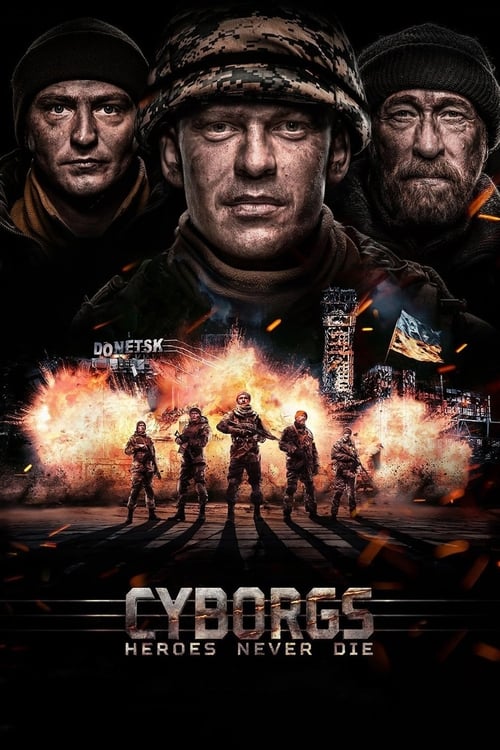
Cyborgs
2017
No user ratings available yet
Representation score: 8.1 out of 10

Representation Score
Limited
2020
Director
Timur Yashchenko
Runtime
102 minutes
Average Rating
No ratings yetNew Showbiz Analysis
U311 Cherkasy is a historical drama that emphasizes national sovereignty and anti-imperialist themes. The narrative serves as a detailed study of resistance, using the minesweeper as a symbol of sovereign identity against external threats. While the film offers a strong critique of dominant state power, it lacks broad representation of diverse identities. The focus remains on a specific, localized unit rather than a wide range of social backgrounds. Ultimately, the film's strength lies in its cultural specificity and its role in dismantling imperialist narratives, even though it misses opportunities for broader demographic inclusion.
Category Breakdown
The film does not include any LGBTQ+ characters or stories. It focuses on military realism and national defense.
The story centers on a crew within a traditionally male-dominated military structure. There is no indication of female leadership or challenging gender roles.
This Ukrainian film emphasizes Eastern European perspectives and focuses on ethnic self-determination and the preservation of Ukrainian identity.
The film effectively portrays anti-imperialist themes, showing a localized culture resisting centralized power to ensure independent survival.
There is no information about characters with physical or neurodivergent disabilities.
Present on Screen
Limited or Absent
Official Synopsis
The crew of Ukrainian NAVY minesweeper U311 "Cherkasy" is resisting seizure of the vessel by Russian army in Crimea in 2014.
2017

2016
2019

2019

1979
2026
2021

2021
No reviews yet. Be the first to share your thoughts on this movie!
Use the rating form above to leave a star rating and optional review.