
Gone in 60 Seconds
1974
No user ratings available yet
Representation score: 1.2 out of 10
Representation Score
Minimal
1983
PGDirector
H.B. Halicki
Runtime
98 minutes
Average Rating
No ratings yetNew Showbiz Analysis
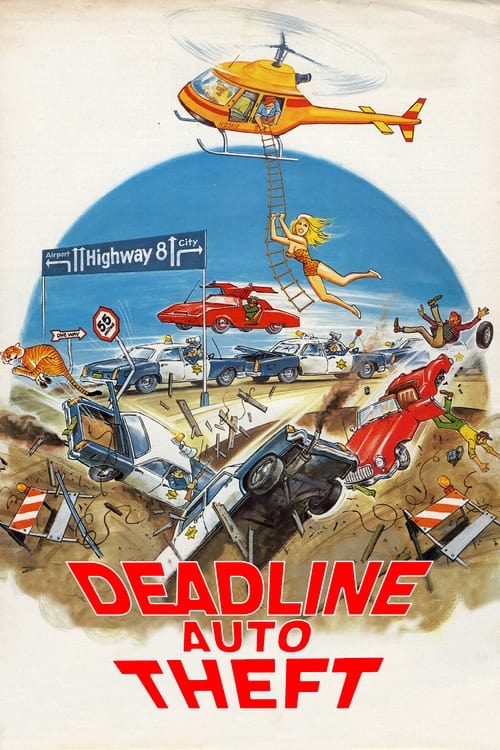
Deadline Auto Theft is a classic 1980s car chase film that emphasizes action over social commentary. The story structure reinforces traditional societal norms rather than challenging them, focusing on the mechanics of the chase and professional codes. The film relies heavily on traditional crime cinema clichés, centering on the 'outlaw' archetype and conflicts with law enforcement. This results in a lack of exploration of diverse identities. The production reflects the demographic norms of its time, presenting a binary moral landscape where character depth is secondary to the car chase.
Category Breakdown
The film does not include any LGBTQ+ characters or stories. The characters are focused on traditional masculine roles without exploring non-straight relationships.
The story focuses on male-dominated environments such as law enforcement and car theft. Female characters have minor roles that do not challenge traditional gender roles or show much influence.
The film follows typical 1980s genre conventions, featuring a South American drug lord as the main antagonist. There is no significant blending of races or challenging of casting norms.
The film stays within traditional Western institutional settings, highlighting the conflict between the LAPD and organized crime. It does not critique religion or capitalism.
There are no visible or invisible disabilities shown in the film. Characters are depicted based on their physical abilities needed for high-speed car chases.
Present on Screen
Limited or Absent
Official Synopsis
After the attempted theft of his daughter's husband's car, LAPD Captain Gibbs declares war on master car thief Maindrian Pace, whose insurance investigation company provides the perfect front. A South American drug lord pays Pace and his team to steal 48 cars for him, so they set out on the job while the police frantically try to track him down. Their efforts pay off when Pace's boss double-crosses him and tips them off on his next job. Police pursue Pace in "Eleanor", the last of the cars needed to fulfill their contract, through southern California as he tries to get away.
1974
1978
1980
1974
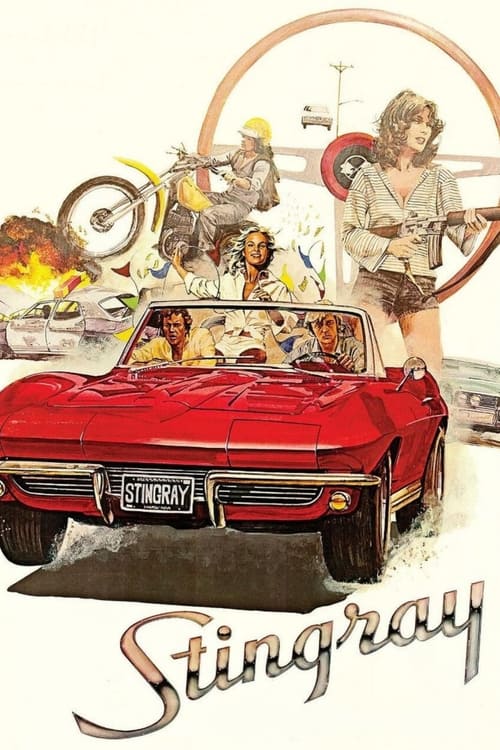
1978
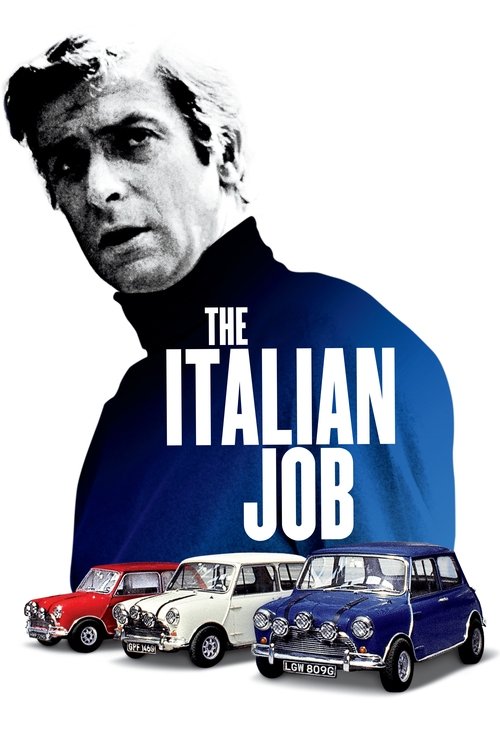
1969
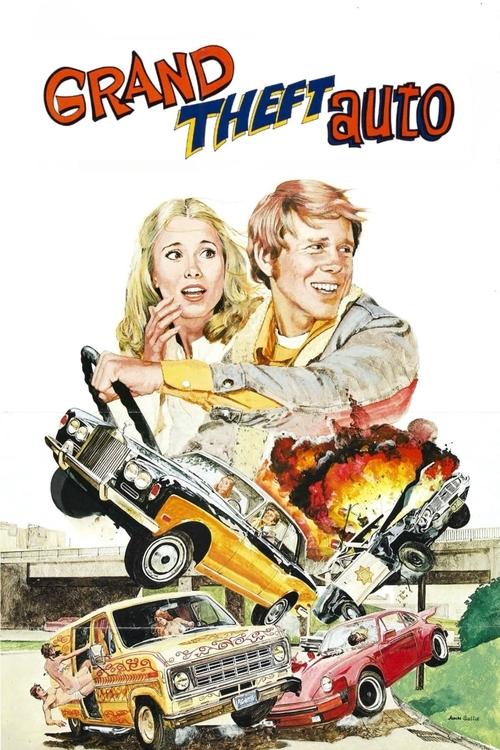
1977
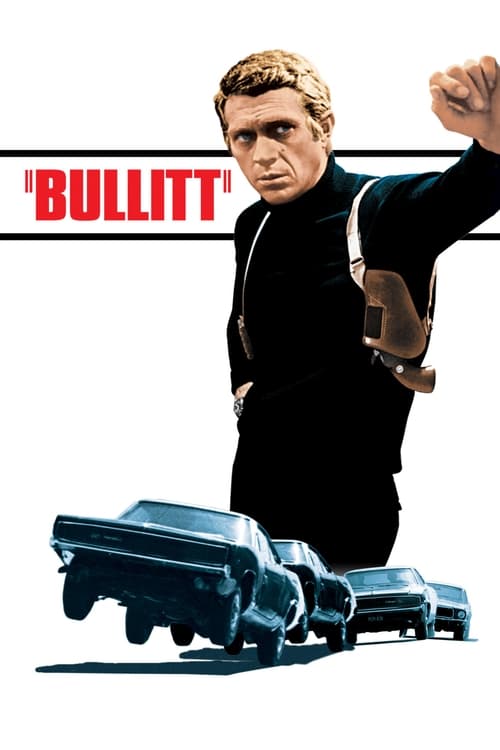
1968
No reviews yet. Be the first to share your thoughts on this movie!
Use the rating form above to leave a star rating and optional review.