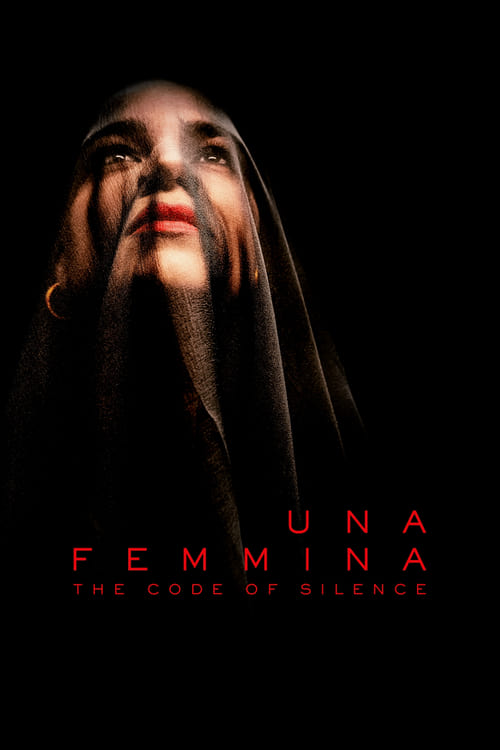
Una Femmina: The Code of Silence
2022
No user ratings available yet
Representation score: 5.5 out of 10

Representation Score
Limited
2019
Director
Luca Guardabascio
Runtime
0 minutes
Average Rating
No ratings yetNew Showbiz Analysis
Credo in un solo padre is a period drama that deconstructs the sanctity of the traditional family. It uses a small-town setting to critique how systemic indifference and patriarchal structures facilitate violence against women and children. The film succeeds in exploring complex gendered power dynamics. By framing the male characters as sources of instability or abuse, it challenges the cliché of the protective patriarch. However, the narrative lacks diversity in terms of LGBTQ+ representation and multi-ethnic casting. The historical setting suggests a homogeneous demographic, which limits the scope of racial and identity-based exploration.
Category Breakdown
The film focuses on a family structure where everyone is assumed to be straight and cisgender. There are no queer narratives or non-cisgender identities in the story.
The narrative centers on the victimization of women, challenging traditional gender hierarchies. It portrays male figures as catalysts for tragedy or sources of predatory behavior.
Set in Southern Italy, the film likely depicts a homogeneous Mediterranean demographic. The focus remains on regional socio-economic struggles rather than ethnic diversity.
The story critiques traditional communal morality and Western institutions. It portrays the community as complicit and indifferent rather than a pillar of morality.
The synopsis provides no information regarding characters with physical or neurodivergent disabilities.
Present on Screen
Limited or Absent
Official Synopsis
Falcino, a small town in the south of Italy. No one sees. No one hears. Nobody talks. But everyone knows. And so they all become accomplices of a tragedy against women, against kids, against a family. A story of violence and slavery. Indifference is stronger than their conscience. Maria, a young mother of a family, lives with her husband Gerardo and her two children, Rocco e Carmela, on her father-in-law's farm: "grandpà" Giuseppe. Gerardo decides to emigrate to Austria to earn more money so as to allow a more comfortable life for the family. This absence will be the beginning of a nightmare that will lead Maria and her daughter to be victims of abuse of an unscrupulous ogre (monster).
2022
2020
2023
2021
1970
2002
2017
2007
No reviews yet. Be the first to share your thoughts on this movie!
Use the rating form above to leave a star rating and optional review.