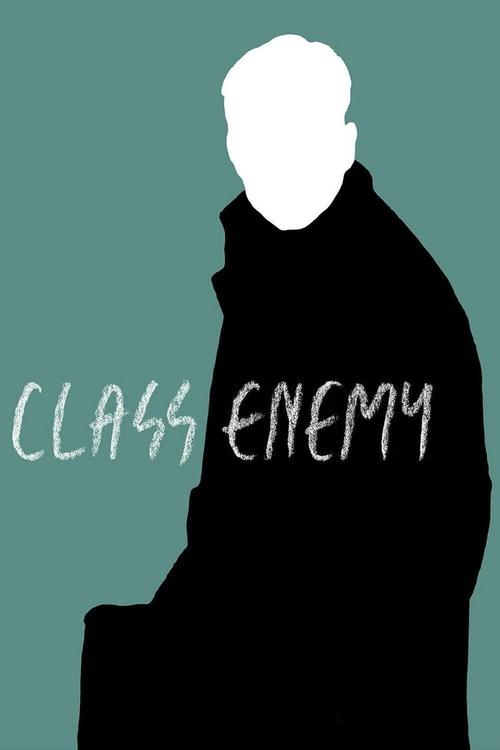
Class Enemy
2013
No user ratings available yet
Representation score: 7.2 out of 10

Representation Score
Limited
1996
Director
Władysław Pasikowski
Average Rating
No ratings yetNew Showbiz Analysis
Bitter-Sweet is a gritty, period-specific exploration of social fragmentation in 1990s Poland. It effectively critiques institutional reliability, using a neo-noir aesthetic to highlight the lack of systemic protection. The film portrays a world where authority figures are too consumed by personal issues to provide stability. However, the film remains demographically narrow. It relies heavily on traditional masculine struggles and lacks representation for diverse ethnic backgrounds and non-assuming gender matches what was assigned at birth identities. The social landscape is depicted as largely homogeneous. Ultimately, while the film provides a sophisticated look at moral relativism and the erosion of communal responsibility, it adheres to traditional gender hierarchies and lacks representation for various underrepresented groups.
Category Breakdown
The film does not include any LGBTQ+ characters or narratives. The central conflict revolves around the protagonist's isolation within a straight-centered society.
The story emphasizes traditional masculine traits and stoicism. While Paulina is present, she mainly serves as a catalyst for the protagonist's journey rather than having her own independent role.
The cast is predominantly made up of people from similar backgrounds, reflecting the socioeconomic context of post-communist Poland. The story does not explore racial or ethnic diversity.
The film successfully depicts moral relativism and the breakdown of traditional institutions. It shows authority figures as ineffective, highlighting a world of systemic ambiguity.
The film does not feature any characters dealing with disabilities in a meaningful way. Psychological trauma is a key driver of the plot, but it does not address neurodivergent empowerment.
Present on Screen
Limited or Absent
Official Synopsis
Mateusz, Igor, Marlon, and Paulina attend the same high school. After returning from Budapest, Mateusz learns that one of his classmates, a boy named Bąbel, has hanged himself on the school playground. Distraught by the tragedy of his friend, he decides to conduct his own investigation into his death. Igor, who found Bąbel's body, knows what happened but is afraid to speak up. The same is true of other students, and even teachers, who are mainly preoccupied with their own personal problems. He sees his last chance in a conversation with Paulina, who is in love with him, but the girl leaves him alone in his fight to find out the truth.
2013

2008

2014

2013
1993

2004
2010

1986
No reviews yet. Be the first to share your thoughts on this movie!
Use the rating form above to leave a star rating and optional review.