You are here:

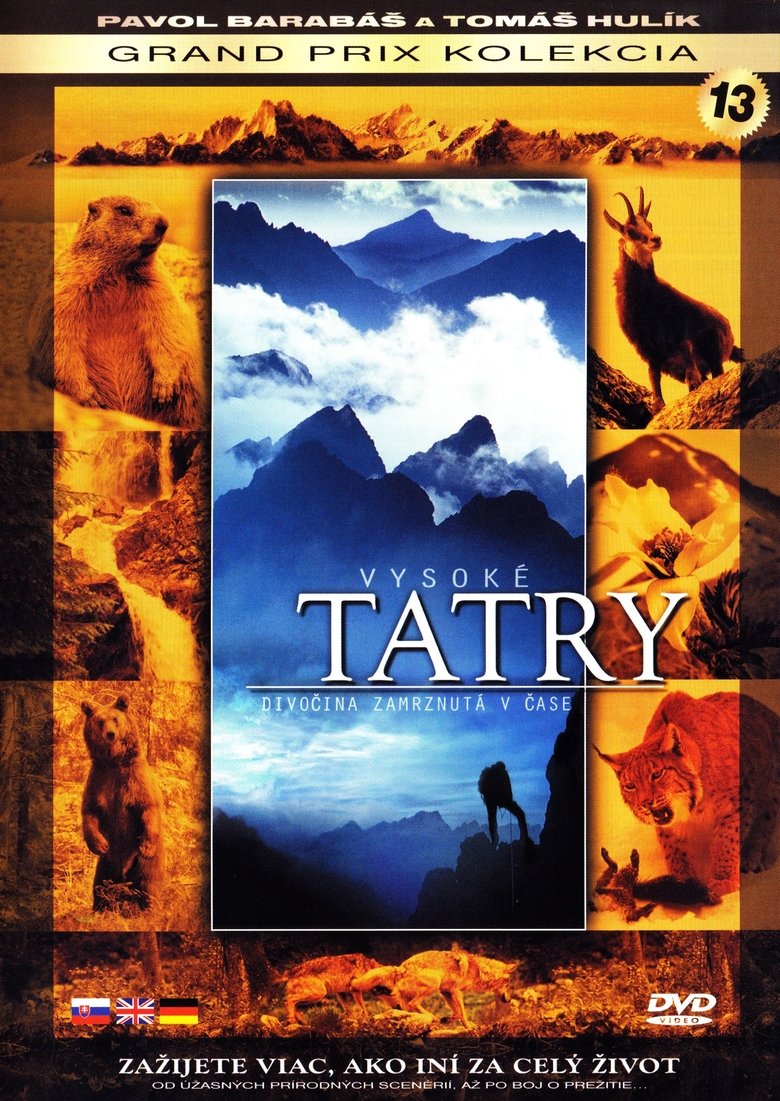
High Tatras – Wilderness Frozen in Time

High Tatras – Wilderness Frozen in Time

Representation Score

3.4/10

Limited

2007

TV-PG

Director

Pavol Barabáš

Runtime

52 minutes

Average Rating

No ratings yet

New Showbiz Analysis

This documentary serves as a meditative study of the High Tatra mountains, emphasizing ecological systems over human-centric storytelling. Since the film lacks a human cast, it naturally receives lower scores in most diversity categories. However, the film offers significant cultural value by integrating Slavic mythology and an anti-consumerist perspective. It presents the landscape as a sacred space and challenges industrialist views by advocating for ecological stewardship. Ultimately, the low score is a result of the genre rather than a lack of inclusive intent. The film succeeds in presenting a non-human-centric view of the world.

Watch this, not that →

Category Breakdown

Does High Tatras – Wilderness Frozen in Time have LGBTQ+ representation?

Minimal

The film focuses entirely on geological and biological landscapes. There are no human characters or interpersonal narratives to explore sexual orientation or gender identity.

How does High Tatras – Wilderness Frozen in Time portray gender?

Fair

The narrative centers on the majesty of nature, avoiding stories that revolve around human characters. It steers clear of reinforcing traditional gender roles.

How racially and ethnically diverse is High Tatras – Wilderness Frozen in Time?

Fair

The film highlights the indigenous ecological identity of the Slovak landscape. It uses local Slavic mythology to provide cultural context without a diverse human cast.

How does High Tatras – Wilderness Frozen in Time represent religion and culture?

Good

The film promotes mythic spirituality by framing the mountains through ancient legends. This approach critiques modern capitalist views of nature as a mere commodity.

Does High Tatras – Wilderness Frozen in Time include disability representation?

Minimal

As a documentary focused on flora, fauna, and topography, there is no depiction of human disability or neurodivergence.

Present on Screen

  • Uses local Slavic folklore to provide rich cultural and mythic context.
  • Challenges modern industrialist perspectives by promoting ecological stewardship.
  • Centers the natural world as the primary subject, avoiding human-centric biases.

Limited or Absent

  • Lacks human representation, leading to low scores in social diversity categories.
  • The absence of interpersonal narratives prevents the exploration of identity-based themes.

Official Synopsis

An old Slovak legend says: When God created the Earth, He distributed beauty to angels to spread it over the lands. The youngest of them wanted to shorten his way through the high mountains. However, he did not manage to take off higher with the burden. He tripped on one of the sharp shields and all his beauty was scattered across the surrounding valleys. The ancient Slavs gave the wild mountains full of game and superstition the name of the Tatras. Today we know that they are the smallest mountains in the world. Try to look carefully into their kingdom with us. Quietly look around and let your thoughts be carried away by the majesty of nature. You may touch the knowledge of how everything relates to everything in this world. And maybe you will understand your responsibility to preserve the wilderness, which should remain here for future generations as if frozen in time.

How are these scores produced? →

Where to Watch

Rate this Movie

No rating selected
Use arrow keys to select a rating from 1 to 5 stars
Optional text review, maximum 2000 characters
Tip: Wrap spoilers with ||double pipes|| to hide them
0/2000 characters
You must be signed in to submit a rating

Reviews

No reviews yet. Be the first to share your thoughts on this movie!

Use the rating form above to leave a star rating and optional review.