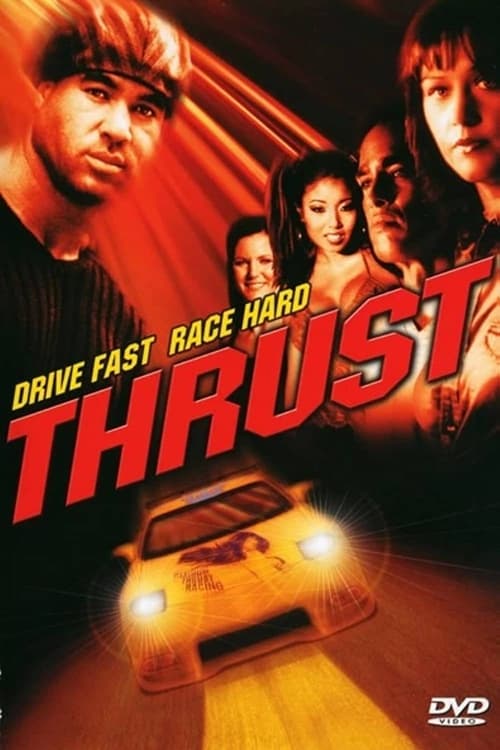
Maximum Thrust
2003
No user ratings available yet
Diversity score: 3.6 out of 10
2002
Director
Shin Seung-soo
Runtime
108 minutes
Average Rating
No ratings yetSynopsis
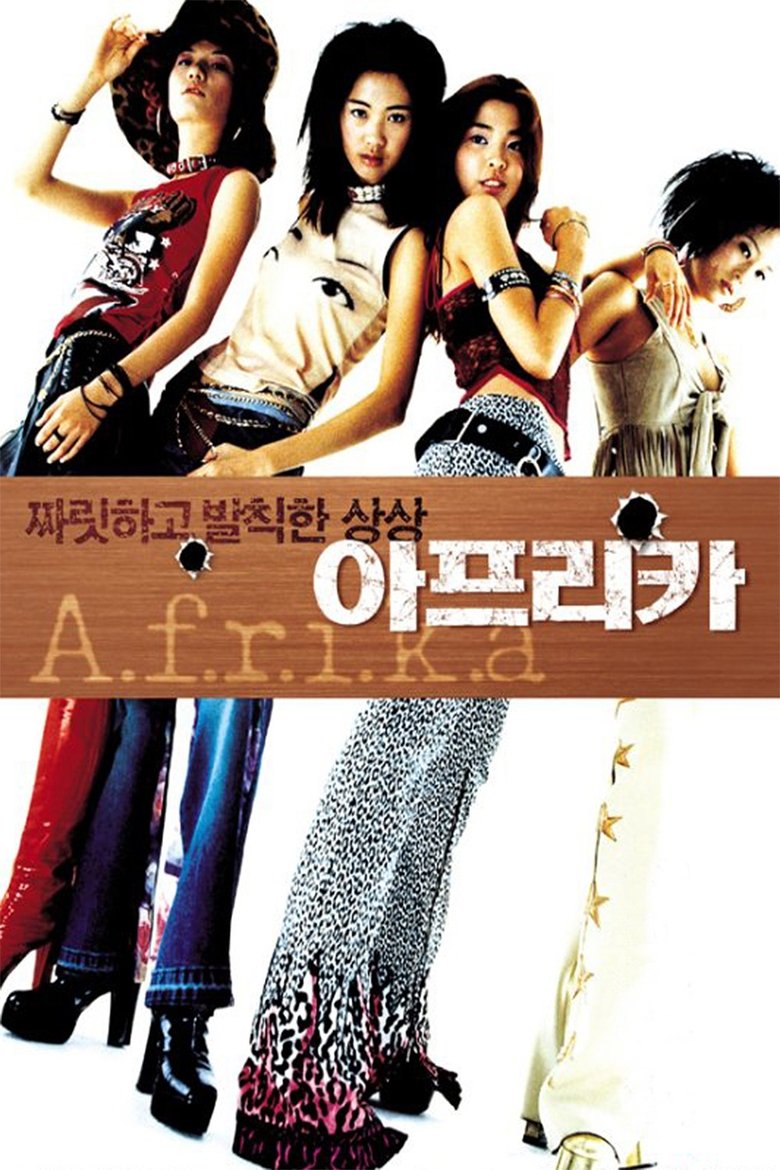
Four young women hit the road in search of adventure and escape from their stressful lives.
Overall Score
Fair
Category Breakdown
LGBTQ+ Representation
The film lacks explicit queer visibility or documented same-sex romantic pairings. However, the central bond of the four women emphasizes female solidarity and autonomy outside traditional heteronormative domesticity.
Gender Representation
The narrative disrupts gender hierarchies by placing women in high-agency, volatile roles. The protagonists master weaponry and navigate criminal underworlds, shifting the action hero trope from men to a female collective.
Racial & Ethnic Diversity
As a localized South Korean production, the film focuses on domestic social dynamics. It does not feature a diverse cast that challenges Western hegemony or utilize racial metaphors.
Religious & Cultural Diversity
The story critiques institutional structures by framing corrupt police and organized crime as antagonists. The protagonists' rebellion suggests a narrative prioritizing group agency over state-sanctioned stability.
Disability Representation
There is no discernible evidence regarding the inclusion or portrayal of characters with physical or neurodivergent disabilities.
Strengths
Areas for Improvement
AI Analysis
A.F.R.I.K.A. succeeds in subverting patriarchal tropes by centering a female collective in a high-stakes survivalist environment. The protagonists move beyond domestic archetypes to occupy roles of physical agency and competence. However, the film remains limited by its regional focus, offering little in the way of racial or LGBTQ+ visibility. The narrative's strength lies in its systemic skepticism rather than intersectional breadth. Ultimately, the film provides a compelling look at female solidarity against corrupt institutions, even if it stays within traditional demographic boundaries.
2003
1978

2014

2011

2011

2012
2020
No reviews yet. Be the first to share your thoughts on this movie!
Use the rating form above to leave a star rating and optional review.