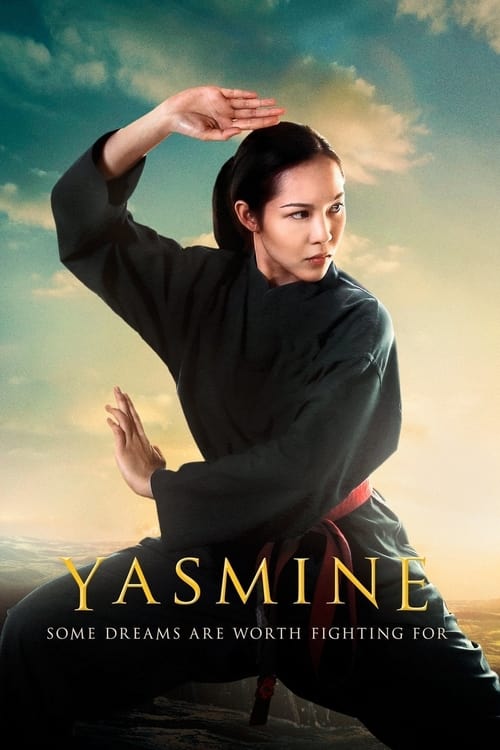
Yasmine
2014
No user ratings available yet
Diversity score: 6.3 out of 10

2014
PG-13Director
Sadyk Sher-Niyaz
Runtime
135 minutes
Average Rating
No ratings yetSynopsis
At a time when most females in Asia possess little or no power over their lives, headstrong Kurmanjan Datka defies her family's authority -- and ultimately becomes the ruler of her native Kyrgyzstan region.
Overall Score
Good
Category Breakdown
LGBTQ+ Representation
The film lacks explicit evidence of LGBTQ+ identities or non-heteronormative dynamics. The narrative focuses on political and familial autonomy within a historical framework.
Gender Representation
The story centers on Kurmanjan Datka, a woman who defies patriarchal authority to achieve political sovereignty. This subverts traditional gender hierarchies and female passivity.
Racial & Ethnic Diversity
By centering a Kyrgyz historical narrative, the film prioritizes Central Asian ethnic identities. It successfully moves the cinematic lens away from Western-dominated storytelling.
Religious & Cultural Diversity
The narrative explores the deconstruction of traditional power structures and tribal institutions. It emphasizes individual agency over rigid adherence to historical social hierarchies.
Disability Representation
There is no discernible evidence regarding the portrayal of physical or neurodivergent disabilities in this work.
Strengths
Areas for Improvement
AI Analysis
Queen of the Mountains succeeds as a powerful reclamation of Central Asian history. By centering the life of Kurmanjan Datka, the film challenges Western-centric storytelling and provides significant agency to non-Western characters. The film's greatest strength lies in its disruption of gender norms. It replaces the trope of female submissiveness with a narrative of strategic and political dominance, making the protagonist a formidable leader. However, the film offers little in the way of LGBTQ+ representation or disability visibility. While it excels in ethnic and gendered agency, these specific areas remain unaddressed within the historical framework.
2014
2011

2015

2016
2019
2005
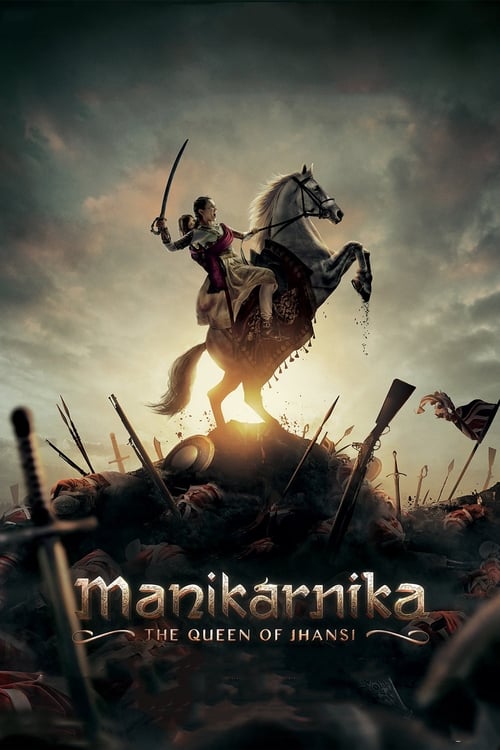
2019

2021
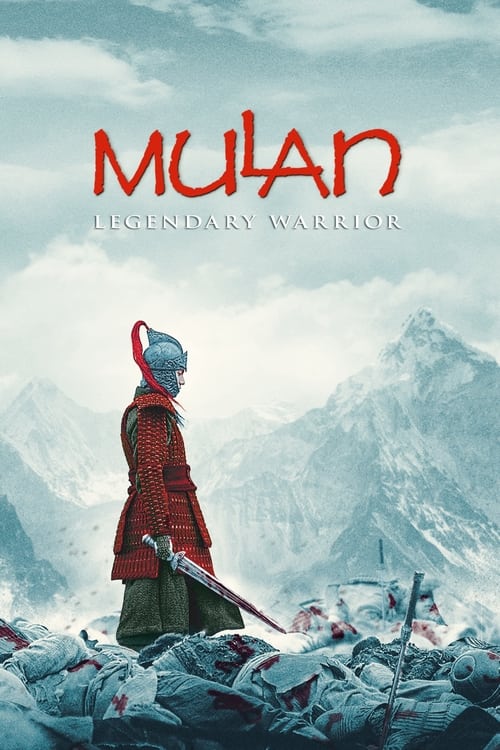
2009
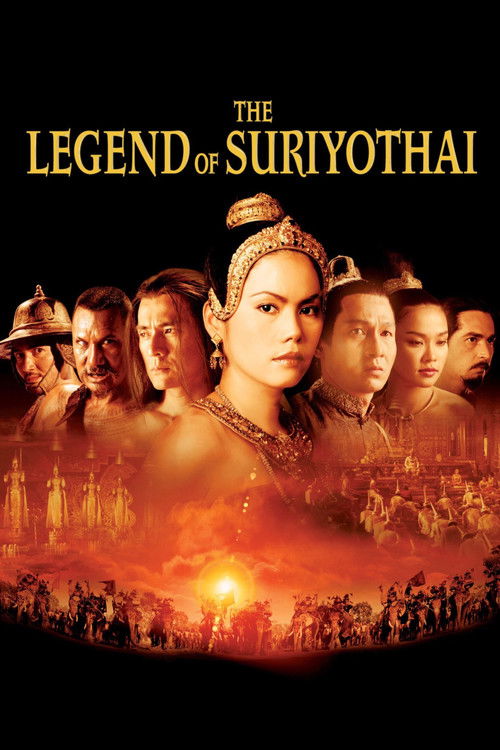
2001
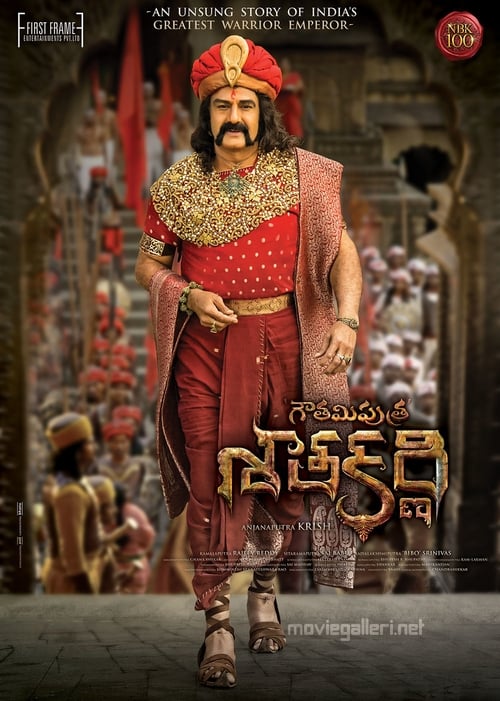
2017
No reviews yet. Be the first to share your thoughts on this movie!
Use the rating form above to leave a star rating and optional review.