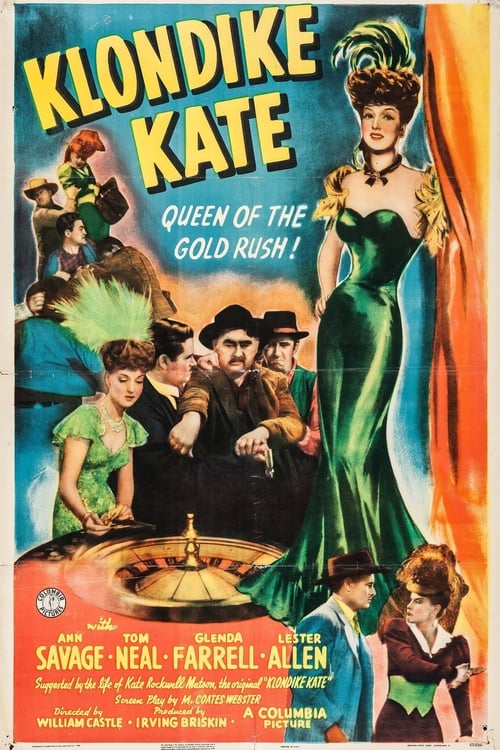
Klondike Kate
1943
No user ratings available yet
Representation score: 3.2 out of 10
Representation Score
Minimal
1949
NRDirector
John English
Runtime
70 minutes
Average Rating
No ratings yetNew Showbiz Analysis
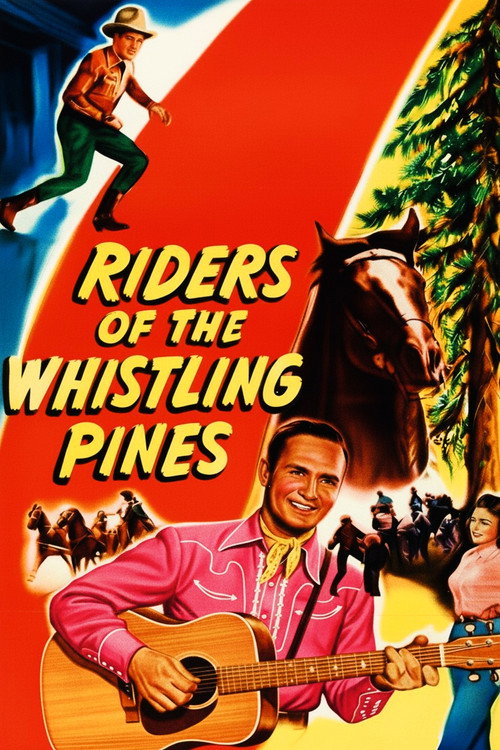
Riders of the Whistling Pines is a classic 1940s B-Western that emphasizes genre clichés over social complexity. The plot centers on environmental management and moral righteousness, featuring a cast that reflects the era’s standard homogeneous archetypes. The film upholds traditional hierarchies, especially regarding gender and race. Characters primarily serve to resolve the central mystery and forest crisis rather than challenge established social norms. Ultimately, the film functions as a period piece. It lacks the layered representation needed to go beyond the conventional storytelling of the mid-20th century studio system.
Category Breakdown
The film adheres to a typical mid-century structure without depicting any non-binary or LGBTQ+ identities or intimate relationships between individuals of the same gender.
The story revolves around male characters dealing with professional conflicts. Helen is mentioned but remains a passive observer rather than a key driver of the plot.
The cast appears uniform, focusing on an Anglo-Saxon majority. There is no indication of diverse ethnic backgrounds or multi-ethnic character development.
The narrative emphasizes legal and institutional oversight concerning forest management. It does not critique systemic oppression or incorporate diverse cultural perspectives.
There are no characters with visible or invisible disabilities. The story does not address neurodivergence or chronic illnesses.
Present on Screen
Limited or Absent
Official Synopsis
While trailing Forest Ranger Charles Carter, who is suspected of permitting lumber man Henry Mitchell to cut restricted timber, Gene fires at a dangerous mountain lion and apparently kills Carter. Actually, Bill Wright, Mitchell's associate, killed Carter because the ranger had discovered tussock moth infestation in the forest, and if the infestation was not reported, the trees would die and have to be cut, thereby profiting Mitchell and Wright. In order to compensate the best he can, Gene sells his sportsman's camp and gives the money to Carter's daughter Helen . En route to Texas, Gene discovers the infestation and is assigned by the Forest Department to supervise the program of spraying the area with DDT from the air. After the first day of spraying, the DDT is blamed by furious stock men for the many animals found dead of poisoning.
1943
1940

1948

1980
1946
1941
1943

1949
No reviews yet. Be the first to share your thoughts on this movie!
Use the rating form above to leave a star rating and optional review.