
Date in Corfu
1960
No user ratings available yet
Representation score: 2.5 out of 10

Representation Score
Limited
1961
Director
Dimis Dadiras
Runtime
81 minutes
Average Rating
No ratings yetNew Showbiz Analysis
Who Is Margarita? functions as a conventional mid-century comedy that reinforces the social hierarchies of 1961. The film features a female protagonist whose motivations are largely shaped by her ability to navigate class dynamics and her relationships with wealthy male figures. Transnational identity and class deception serve as plot devices rather than meaningful social commentary. The narrative emphasizes status, lineage, and traditional romantic structures typical of the era's commercial cinema.
Category Breakdown
The film centers on traditional romance and class manipulation, with no representation of LGBTQ+ identities or non-assuming gender matches what was assigned at birth characters.
A female protagonist drives the plot, but her role is closely tied to her position in a fashion house and her interactions with male figures. The central conflict revolves around patriarchal structures and traditional gender roles.
The story explores Greek and Greek-American identities through a tycoon character, using these elements primarily as plot devices related to class mobility rather than deep cultural exploration.
The narrative focuses on social climbing and wealth preservation within a traditional framework, emphasizing family legacies and status validation.
The film provides no information regarding the portrayal of physical or neurodivergent characters.
Present on Screen
Limited or Absent
Official Synopsis
A girl from the province, who works in a fashion house in Athens, goes to Kos to promote her clothes. Residents believe that the daughter of a Greek-American tycoon and she plays the role will lead it to embrace the real son of the alleged father.
1960

1967

1969
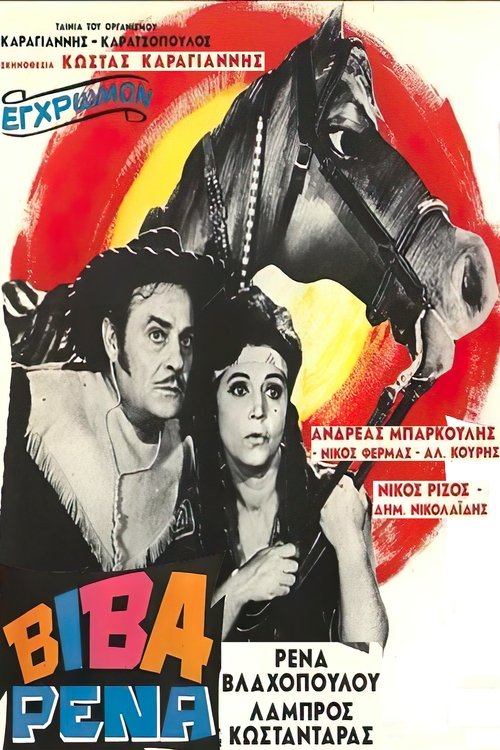
1967

1960

1971

1964

1962
No reviews yet. Be the first to share your thoughts on this movie!
Use the rating form above to leave a star rating and optional review.