Hidden in Silence
1996
No user ratings available yet
Representation score: 3.7 out of 10
Representation Score
Fair
2019
Director
László Illés
Runtime
91 minutes
Average Rating
No ratings yetNew Showbiz Analysis
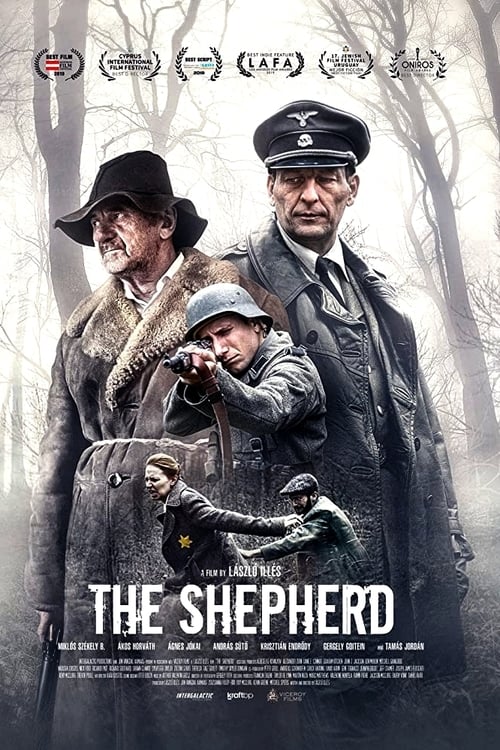
The Shepherd is a period drama that examines moral decision-making amid systemic oppression in 1944 Hungary. It moves beyond simple hero clichés by focusing on the protection of a persecuted ethnic minority through the lens of a grieving protagonist. The film effectively engages with multi-layered vulnerability, particularly regarding ethnic persecution. By centering the struggle of Jewish lives against a dominant, oppressive system, it provides a powerful critique of historical institutional failures. However, the narrative's driving force remains heavily focused on a male protagonist, limiting the exploration of gendered perspectives.
Category Breakdown
The film does not include any explicit references to LGBTQ+ characters or themes. There are no specific details about queer identities in the narrative.
The story revolves around the death of the protagonist's daughter, which serves as a key catalyst for his character development. This focus highlights the gendered vulnerability of women during historical conflicts.
The film centers on the survival and empowerment of Jewish individuals during the Holocaust. It emphasizes cross-cultural solidarity by featuring a non-Jewish shepherd who protects the Jewish characters.
The movie critiques totalitarianism by portraying the Nazi regime as a corrupt and oppressive institution. It prioritizes human life and situational ethics over rigid state loyalty.
There are no characters with physical or neurodivergent disabilities mentioned in the provided context.
Present on Screen
Limited or Absent
Official Synopsis
Hungary, 1944 - The main character is an old shepherd, who lives alone on a ranch. After his daughter got killed by Nazis, he decided in his grief to save as many Jewish lives as possible.
1996

2024
2018

2019
2021
2011
2013
2023
No reviews yet. Be the first to share your thoughts on this movie!
Use the rating form above to leave a star rating and optional review.