
Home Team
2017
No user ratings available yet
Representation score: 4.3 out of 10
Representation Score
Minimal
2001
PG-13Director
Alan Vint
Average Rating
No ratings yetNew Showbiz Analysis
Reversal is a social realist drama that prioritizes class-based struggle over identity-based representation. It offers a nuanced look at socioeconomic entrapment and the psychological weight of intergenerational expectations within a working-class environment. While the film provides a meaningful critique of the 'treadmill of life' and the pressures of industrial labor, it remains within a very traditional framework. The narrative lacks significant diversity, focusing instead on a localized, homogeneous experience. Ultimately, the film's depth is found in its exploration of economic stagnation rather than the disruption of racial, gender, or sexual orientation hierarchies.
Category Breakdown
The story focuses solely on the relationship between a father and his son, which aligns with the assumption that everyone is straight or cisgender. There are no representations of LGBTQ+ identities or critiques of the assumption that everyone is straight or cisgender.
The narrative centers around traditional masculine roles such as the coach and the athlete. It lacks any strong female characters or challenges to traditional gender hierarchies.
Set in a small Pennsylvania mining town, the film portrays a homogeneous community with no indication of a multi-ethnic cast or diverse racial perspectives.
The film critiques capitalist structures and the exhaustion of industrial labor. It presents the American Dream as a source of systemic pressure rather than an ideal.
There is no specific evidence regarding the portrayal of physical or neurodivergent disabilities. The film focuses instead on the physical toll of athletic weight-cutting.
Present on Screen
Limited or Absent
Official Synopsis
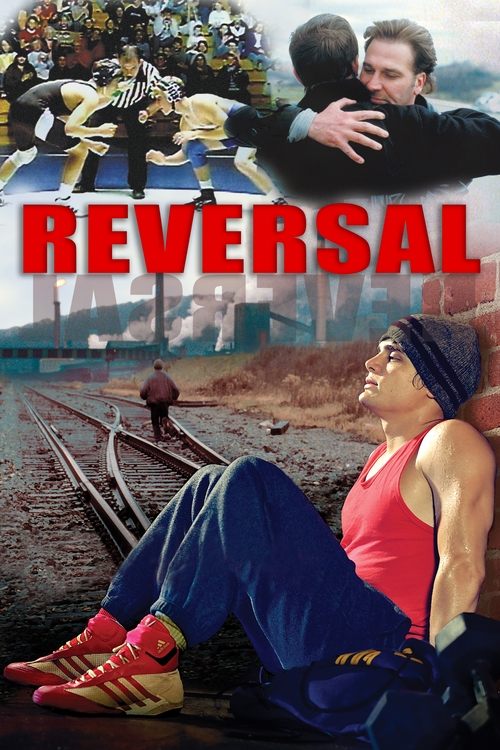
Leo Leone has been wrestling since he was seven years old. As the only son of wrestling coach (and ex-state champion) Edward Leone, Leo's dedication to the sport was tied up in his love for his father. Now Leo is seventeen. His life has been an endless cycle of training, sacrifice, and starving to make weight -- a process that is becoming ever more difficult during adolescence. He's tired of denying himself everything, and is feeling the lure of a world beyond the mat. Living paycheck to paycheck, working a dead-end job in the mines while coaching for no money, Leo's father Ed sees a wrestling scholarship as his son's only chance to escape the treadmill of life in a small Pennsylvania town. But though his motives are good, Ed is pushing his son too hard
2017

1986

2008

2018

1991

2011

2011

1979
No reviews yet. Be the first to share your thoughts on this movie!
Use the rating form above to leave a star rating and optional review.