Mostly Martha
2001
No user ratings available yet
Representation score: 5.1 out of 10
Representation Score
Fair
2005
Not RatedDirector
Anthony Byrne
Runtime
97 minutes
Average Rating
No ratings yetNew Showbiz Analysis
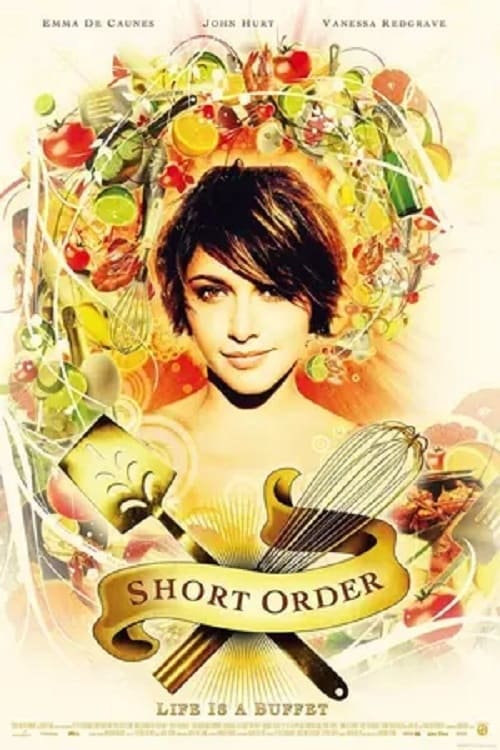
Short Order is a character-driven study that excels in portraying female professional mastery and intellectual ability to act. By centering on Fifi Koko's internal psychological landscape, the film moves beyond conventional domestic clichés to explore complex, autonomous identity. However, the film lacks clear visibility regarding racial and LGBTQ+ identities. While the theme of unrequited love offers potential for queer storytelling, the specific identities remain ambiguous. The narrative's focus is deeply internal, which limits the breadth of demographic representation. Ultimately, the film's strength lies in its progressive, non-traditional narrative structure. It prioritizes subjective morality and existentialist themes over standard social or religious frameworks, making it a unique, albeit demographically narrow, character study.
Category Breakdown
The film touches on unrequited love for a friend, allowing for nuanced emotional complexity. However, the specific gender identities involved in this dynamic are not clearly defined.
Fifi Koko is a highly skilled professional whose narrative focuses on her autonomy and talent. The story avoids traditional feminine archetypes by emphasizing her internal existential struggles.
The Parisian setting and surreal elements provide little information about the cast's racial composition. There is no clear evidence of diverse identities within the provided narrative.
The film prioritizes personal meaning and secular existentialism over institutional morality. It uses surreal entities to explore individual truth through temptation and insight.
There is no explicit mention of physical or neurodivergent disabilities. While the protagonist faces an existential dilemma, it is not documented as a specific disability.
Present on Screen
Limited or Absent
Official Synopsis
SHORT ORDER tells a story so vibrantly sumptuous each still could be served as its own meal. Amidst the quaint Parisian street night, Fifi Koko runs a petty short order diner. Although her name is famous in chef circles she has placed her uncanny culinary skills on the back burner as she falls prey to an existential quagmire that fears her talent shall not overcome the expectations her reputation has sown. The late hours play out as Fifi must face her talent and unrequited love for a friend, while a collective stream of colorful creatures of the night make through Fifi's consciousness to feed her with temptation, insight, and humor on the path of her life-defining decision.
2001
2000
1983
2009

2000
1996

1999

2007
No reviews yet. Be the first to share your thoughts on this movie!
Use the rating form above to leave a star rating and optional review.