
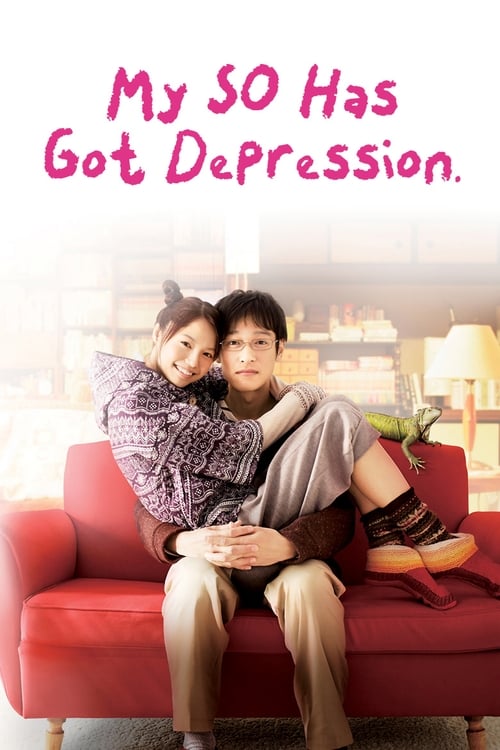
Welcome Home
1995
No user ratings available yet
Representation score: 6.1 out of 10
Representation Score
Fair
2011
Director
Kiyoshi Sasabe
Runtime
121 minutes
Average Rating
No ratings yetNew Showbiz Analysis
The film stands out in its sophisticated exploration of mental health and the deconstruction of traditional gender roles. By focusing on the lived realities of depression, it moves beyond simple clichés to explore how illness reshapes domestic power dynamics. However, the narrative lacks breadth in other areas of representation. The setting is culturally homogeneous, and the story operates within a strictly heterosexual framework, offering little engagement with racial or LGBTQ+ diversity.
Category Breakdown
The film focuses on a traditional marriage and does not include any non-cisgender identities or same-sex relationships.
Haruko transitions from being a dependent spouse to becoming a primary caregiver, adding depth to her character as she struggles as a comic artist.
This Japanese production focuses on a homogeneous society and does not engage with diverse racial identities or varied casting.
The film critiques modern corporate environments by depicting the workplace as a source of systemic stress. It emphasizes empathy for mental health over traditional stoicism.
Depression is a central theme that drives the plot, showing the unglamorous, practical realities of living with a chronic condition.
Present on Screen
Limited or Absent
Official Synopsis
Mikio is a married man and works hard for the company where he is employed. Then one day Mikio is diagnosed with depression. Mikio's wife is Haruko. They have been married for 5 years. Haruko draws comics for work, but they do not sell well. She mainly relied on Mikio for support. Meanwhile, Haruko did not notice any changes in her husband. She begins to blame herself for not noticing any signs. Mikio's depression derived from his work. His company has been pressing him to quit the company. After Mikio quits his job his condition improves, but the dynamics of their relationship changes.
1995
2008

2018

1996

2011

2002
2012

2019
No reviews yet. Be the first to share your thoughts on this movie!
Use the rating form above to leave a star rating and optional review.