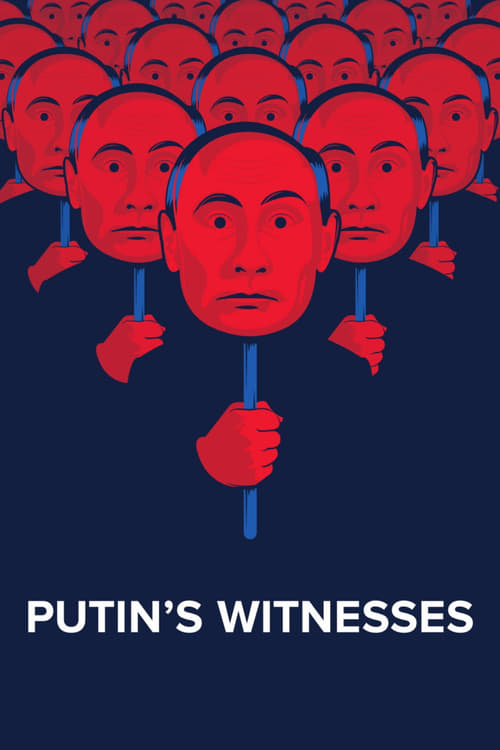
Putin's Witnesses
2018
No user ratings available yet
Representation score: 1.5 out of 10
Representation Score
Minimal
2021
Director
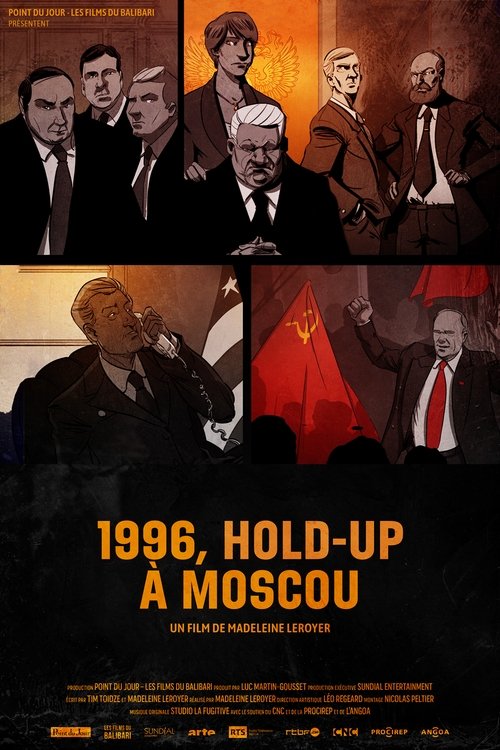
Madeleine Leroyer
Runtime
52 minutes
Average Rating
No ratings yetNew Showbiz Analysis
This documentary functions as a specialized study of geopolitical and economic volatility. It prioritizes the mechanics of statecraft and electoral outcomes over character-driven identity politics. The narrative structure focuses on institutional power struggles and the survival of the Yeltsin administration. Because the subject matter is a historical examination of macro-level political shifts, the film lacks multi-layered visibility. It focuses on the tension between democratic mandates and systemic instability during the post-Soviet transition. Ultimately, the work serves as a historical record of a specific era rather than a tool for social subversion or identity-based storytelling.
Category Breakdown
The documentary focuses on the political maneuverings of Boris Yeltsin and Gennady Zyuganov. It does not feature any LGBTQ+ characters or narratives addressing non-straight identities.
The narrative centers on the male-dominated sphere of 1990s Russian geopolitics. While examining leadership breakdowns, the story primarily revolves around male political figures.
The film depicts the ethnic context of the Russian Federation. It addresses the systemic implications of the Chechen War rather than featuring a diverse, multi-ethnic cast.
The film provides a nuanced look at the collapse of traditional institutions. It portrays the tension between capitalism and communism within a fragile, corrupt landscape.
There is no evidence of the inclusion of characters or narratives addressing physical or neurodivergent disabilities.
Present on Screen
Limited or Absent
Official Synopsis
Moscow, January 1996. Boris Yeltsin gets ready to run for a second mandate of the presidency of the young Russian Federation. Polls are in the single digits. A painful economic transition, war in Chechnya, and the rise of criminal groups have left the majority of Russians dissatisfied with Yeltsin… and willing to vote for the communist leader Gennady Zyuganov. Yet six months later, Yeltsin won the election with nearly 54% of the vote. How did that happen?
2018
2012
2021
2008
2017
2019

1993

2019
No reviews yet. Be the first to share your thoughts on this movie!
Use the rating form above to leave a star rating and optional review.