
The Champion
2021
No user ratings available yet
Representation score: 1.7 out of 10
Representation Score
Minimal
1987
Director
Jaroslav Soukup
Runtime
98 minutes
Average Rating
No ratings yetNew Showbiz Analysis
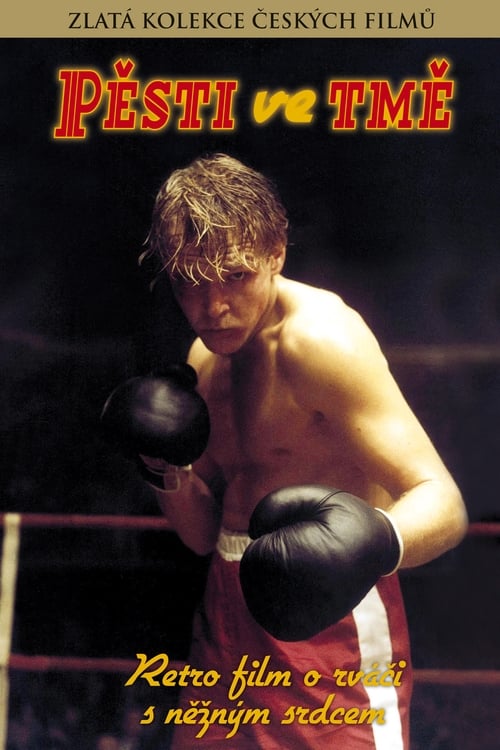
The film presents a straightforward historical sports drama set in 1936. The cast is homogeneous, mirroring the demographic reality of pre-war Central Europe. Male characters dominate the narrative, driving the plot through training and competition. Women serve as background figures in minor supporting roles. The story frames the German opponent as the antagonist, aligning with standard historical portrayals of the era. There is no focus on modern identity politics, disability, or racial diversity. The narrative treats traditional athletic merit and national identity as central themes. The absence of LGBTQ+ characters and non-white actors reflects the historical context. The film remains focused on individual struggle against political oppression. This results in a low overall diversity score, consistent with period-specific storytelling conventions.
Category Breakdown
No LGBTQ+ characters or same-sex relationships appear in the film. The narrative focuses entirely on heterosexual dynamics and athletic rivalry. This absence reflects the historical setting and period conventions.
Male characters drive the plot through training and competition. Women appear in minor supporting roles rather than leading positions. Gender roles follow period conventions, with men dominating the narrative structure.
The cast is entirely Central European, reflecting the 1936 historical setting. No non-white actors are present in the story. This homogeneity mirrors the demographic reality of pre-war Central Europe.
The story centers on Czech national identity and pre-war political tension. The German opponent is framed as the antagonist, aligning with standard historical portrayals. Cultural context emphasizes local heroism against external political pressure.
No characters with ongoing disabilities are present in the story. The narrative focuses on athletic ability and physical competition. Disability is not a thematic or character element in this drama.
Present on Screen
Limited or Absent
Official Synopsis
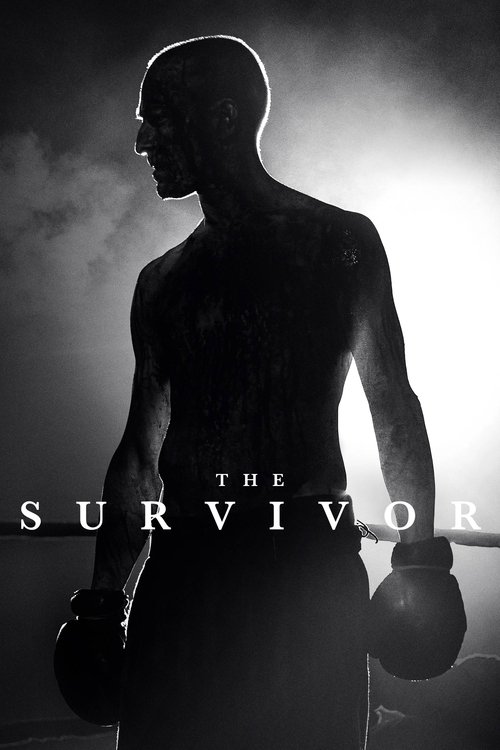
The year is 1936, the nervous atmosphere of the Nazi threat penetrates into the sport. Upgrade boxe Vilda Jakub will compete with German Kurt Schaller. The Nazis decisions are used in order to win his master even the dirtiest means. Vilda inspect their game and focus on the preparation of environmental events. The story culminates in the victory of one of the two lovers, between which Vilda tense moments in the decision.
2021

1967
2013
1999
2012
2022
1984

2021
No reviews yet. Be the first to share your thoughts on this movie!
Use the rating form above to leave a star rating and optional review.