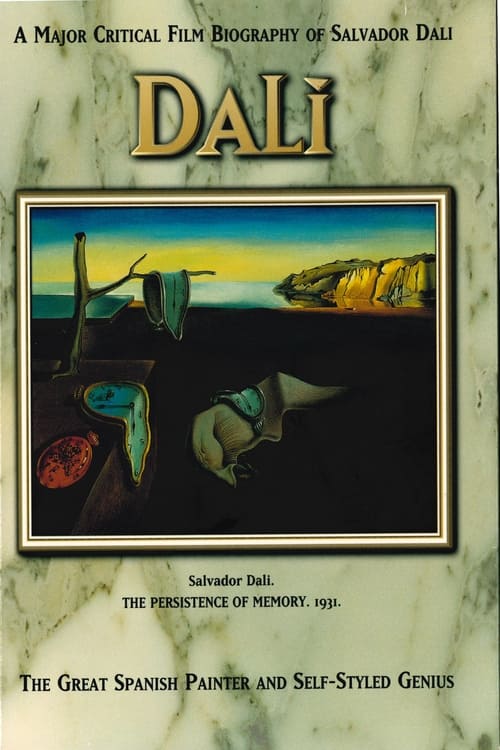
Arena: Salvador Dali
1986
No user ratings available yet
Representation score: 4.3 out of 10
Representation Score
Fair
2002
Director
Richard Curson Smith
Runtime
60 minutes
Average Rating
No ratings yetNew Showbiz Analysis
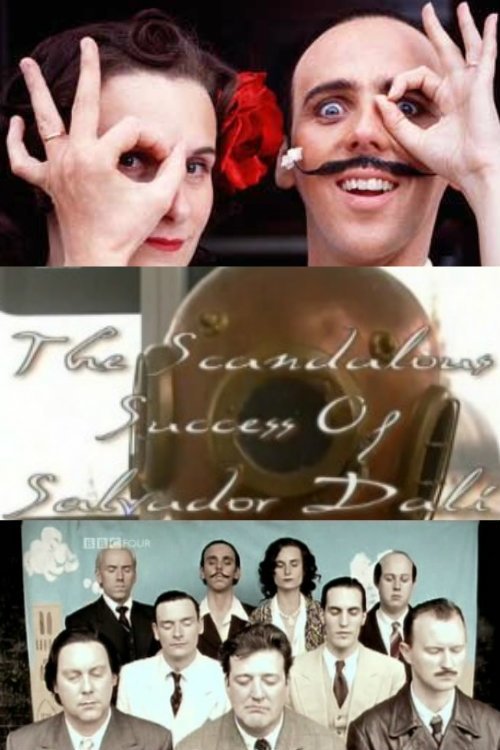
Surrealissimo: The Trial of Salvador Dali is a biographical drama that prioritizes artistic eccentricity over broad demographic diversity. The film's strength lies in its intellectual rebellion, using the Surrealist movement to challenge traditional cognitive and social norms. However, the film remains tethered to the historical constraints of the early 20th century, resulting in a narrative likely centered on a white, male-dominated Western canon, limiting its racial and gendered breadth. Ultimately, the film functions as a character study of a specific historical era. While it disrupts intellectual hierarchies, it does not appear to provide significant representation for diverse identities outside of the Surrealist circle.
Category Breakdown
The film touches on the non-traditional social structures of the Surrealist movement. While there are no confirmed queer character arcs, the narrative explores avant-garde lifestyles that historically challenged straight-centered assumptions.
The story focuses on Dalí’s individual genius, which may prioritize male perspectives. It likely explores gender through the lens of artistic muses and the subversion of traditional feminine archetypes.
The narrative reflects a Eurocentric cultural landscape centered on a Western artistic canon. It lacks evidence of a diverse supporting cast or a globalized perspective beyond the European movement.
By prioritizing dream logic over rationalism, the film critiques established Western intellectual hierarchies. It celebrates non-conformity and the disruption of traditional societal norms through Dalí's eccentric world.
There is no evidence regarding the portrayal of physical or neurodivergent disabilities. No information is available to assess how disability is handled within the narrative.
Present on Screen
Limited or Absent
Official Synopsis
A comic drama about the weird and wonderful world of Salvador Dali and the Surrealists. This film charts Dali's meteoric rise from obscurity to the world's most publicised artist.
1986
2024
2018
2016
2010

1995

2005
2021
No reviews yet. Be the first to share your thoughts on this movie!
Use the rating form above to leave a star rating and optional review.