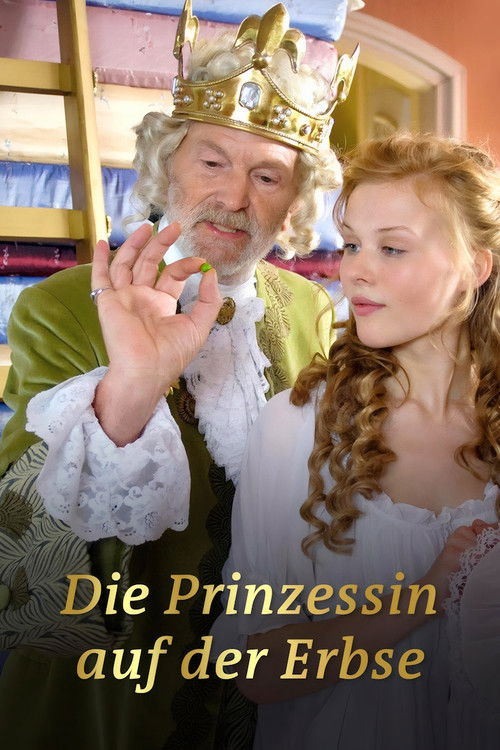
Die Prinzessin auf der Erbse
2010
No user ratings available yet
Representation score: 2.7 out of 10

Representation Score
Fair
2008
Director
Sibylle Tafel
Runtime
58 minutes
Average Rating
No ratings yetNew Showbiz Analysis
König Drosselbart adapts a Brothers Grimm tale, centering on Princess Isabella’s refusal to marry until she chooses her own partner. The narrative emphasizes individual choice within a rigid aristocratic structure, offering a modest challenge to traditional gender expectations through Isabella’s defiance. However, the story ultimately restores the monarchical order and centers on a heterosexual romance. The cast is uniformly white, consistent with the historical setting, and no characters with disabilities or LGBTQ+ identities appear. The film presents a conventional fairy tale with a slightly more active female lead.
Category Breakdown
The story contains no same-sex romance or openly LGBTQ+ characters. The plot focuses entirely on the heterosexual courtship between Princess Isabella and Prince Richard.
Princess Isabella drives the plot by rejecting suitors and demanding a knight’s role. She actively chooses Prince Richard over passive acceptance, though he remains the primary romantic target.
The cast consists entirely of white German actors, reflecting the historical European setting. No characters of color appear in the royal court or surrounding kingdom.
The film portrays monarchy and aristocratic duty as stable, positive institutions. Isabella’s rebellion against her father’s marriage decree is framed as youthful stubbornness rather than systemic critique.
No characters with physical or mental disabilities are depicted. The magical transformation of the king serves as a plot device rather than a portrayal of lived disability.
Present on Screen
Limited or Absent
Official Synopsis
A king has a daughter, Princess Isabella of Geranium, who is so beautiful that kings and princes come from miles around in hopes of winning her hand in marriage. But although she is beautiful, she is also proud and arrogant, and constantly insults and rejects her suitors. She even rejects noble Prince Richard of Begonia, and mocks him as "King Thrushbeard," even though she secretly likes him. Finally, her father loses patience with his rude daughter and declares that since she has rejected every man who has come to court her, she will be married to the first beggar who comes to the gate.
2010
1997
1994
1980

2010

2007
2011
1983
No reviews yet. Be the first to share your thoughts on this movie!
Use the rating form above to leave a star rating and optional review.