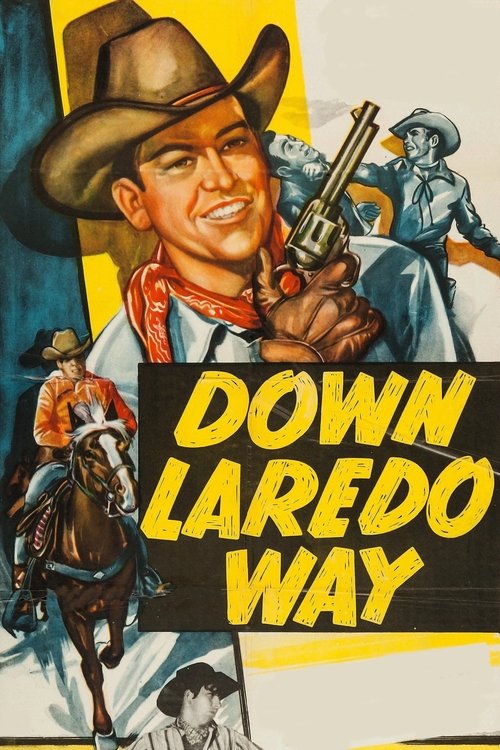
Down Laredo Way
1953
No user ratings available yet
Representation score: 2.9 out of 10
Representation Score
Minimal
1946
PassedDirector
Lambert Hillyer
Runtime
53 minutes
Average Rating
No ratings yetNew Showbiz Analysis
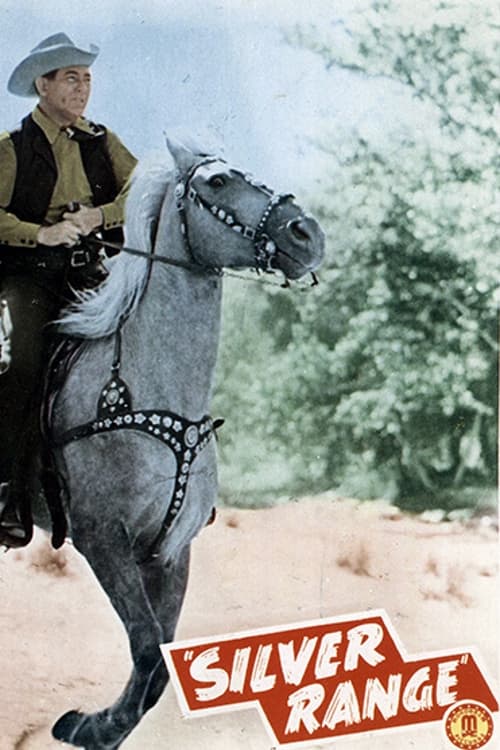
Silver Range is a typical mid-century Western film that emphasizes genre conventions over complex social issues. The narrative centers on male partnerships and traditional law enforcement, reinforcing the era's cultural norms. The film maintains a straightforward moral framework, contrasting heroes and villains in a clear-cut manner. It adheres to the standard casting practices of its time, lacking diverse ethnic or gender representation.
Category Breakdown
The film does not include any LGBTQ+ characters or stories that challenge traditional heterosexual relationships. It focuses on classic male bonding and teamwork.
The story revolves around male characters, with no significant roles for women. It centers on the partnership between a cattle buyer and a retired marshal, highlighting male-driven action.
The film features a predominantly white cast, reflecting the demographics of the 1940s. There are no diverse ethnic backgrounds represented among the main or supporting characters.
The narrative upholds a strict moral code, distinguishing clearly between good and evil. It emphasizes the importance of law and order through conflicts between lawful heroes and criminal elements.
There are no depictions of physical or mental disabilities in the film.
Present on Screen
Limited or Absent
Official Synopsis
Veteran cowboy star Johnny Mack Brown plays a cattle buyer turned prairie sleuth in this low-budget oater from Monogram, which co-stars perennial old-timer Raymond Hatton as a retired U.S. Marshal assigned to investigate the mysterious disappearance of a rancher. As the two old friends soon learn, a gang of smugglers headed by the town's banker (Frank LaRue) needs the use of the Flying Arrow Ranch for their nefarious purposes.
1953
1948
1944
1954
1946
1945
1934
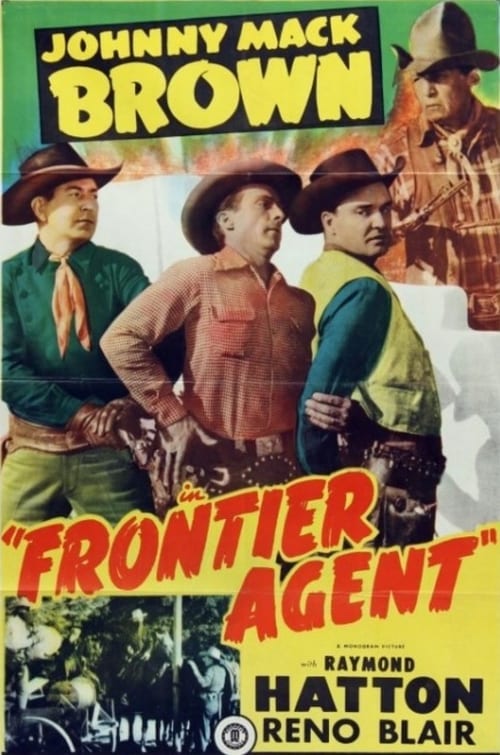
1948
No reviews yet. Be the first to share your thoughts on this movie!
Use the rating form above to leave a star rating and optional review.