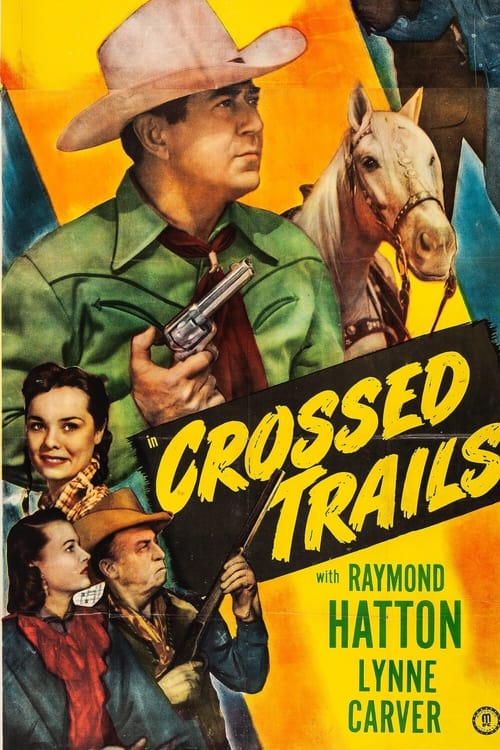
Crossed Trails
1948
No user ratings available yet
Representation score: 1.4 out of 10
Representation Score
Minimal
1948
NRDirector
Ray Enright
Runtime
90 minutes
Average Rating
No ratings yetNew Showbiz Analysis
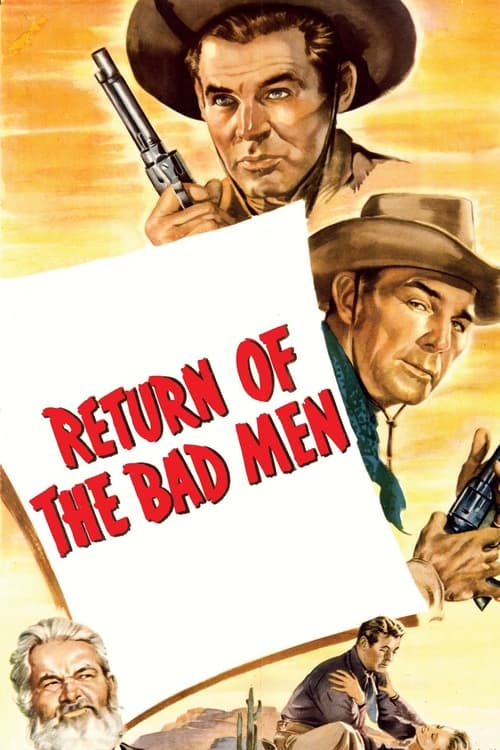
Return of the Bad Men is a classic mid-century Western that emphasizes traditional heroism and institutional authority. The narrative follows a standard law-and-order structure, focusing on a US Marshall tasked with neutralizing outlaws in the Oklahoma Territory. Operating within the conventional social hierarchies of 1948, the film lacks complexity in representing diverse identities. The focus remains on masculine strength and the reinforcement of established Western moral binaries. Overall, the production reflects the era's tendency towards homogeneous casting and traditional narrative structures, offering limited subversion of the social norms prevalent in Hollywood at the time.
Category Breakdown
The film does not depict any LGBTQ+ identities or same-sex relationships. It adheres to traditional gender roles typical of a 1948 Western.
The story centers around a male US Marshall who embodies leadership and strength. Female characters likely play supporting roles rather than independent ones.
The narrative focuses on Anglo-American expansion and federal authority. This framework often sidelines or stereotypes non-white populations within the frontier setting.
The film promotes a singular moral code centered on US federal institutions. It emphasizes the importance of law and order to establish civilization.
There is no information regarding the inclusion or portrayal of characters with physical or neurodivergent disabilities.
Present on Screen
Limited or Absent
Official Synopsis
US Marshall Vance is assigned to rid the Oklahoma Territory of outlaws.
1948
1939

1946
1941
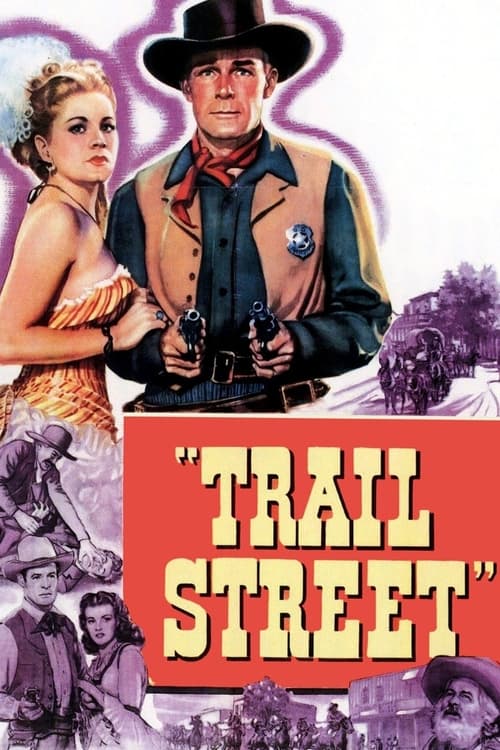
1947
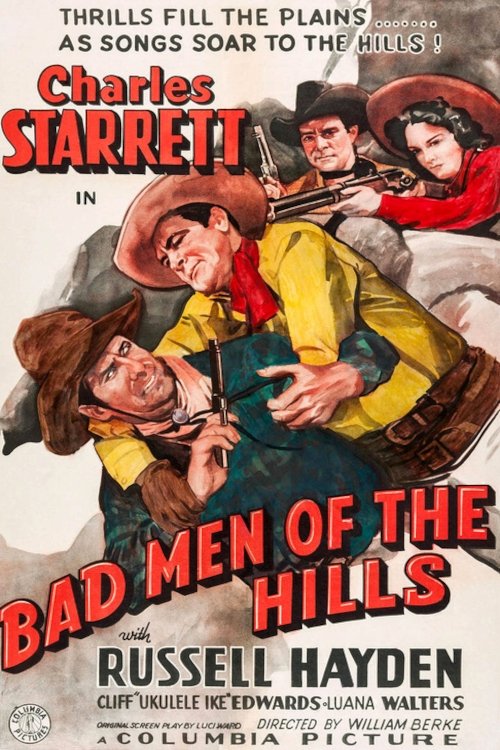
1942
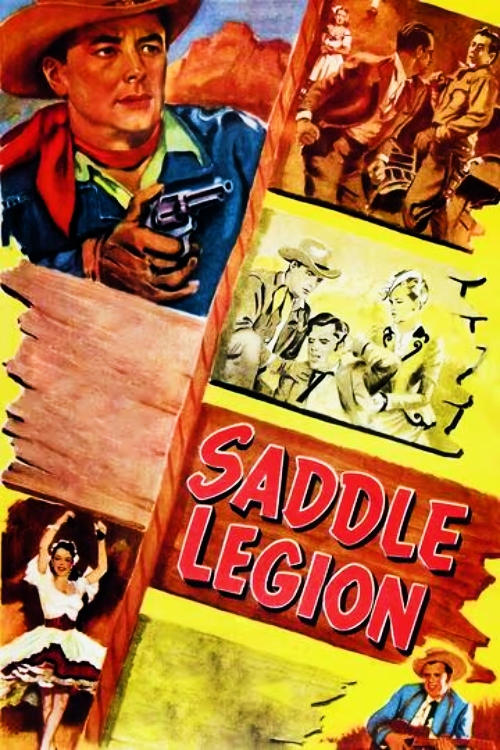
1951
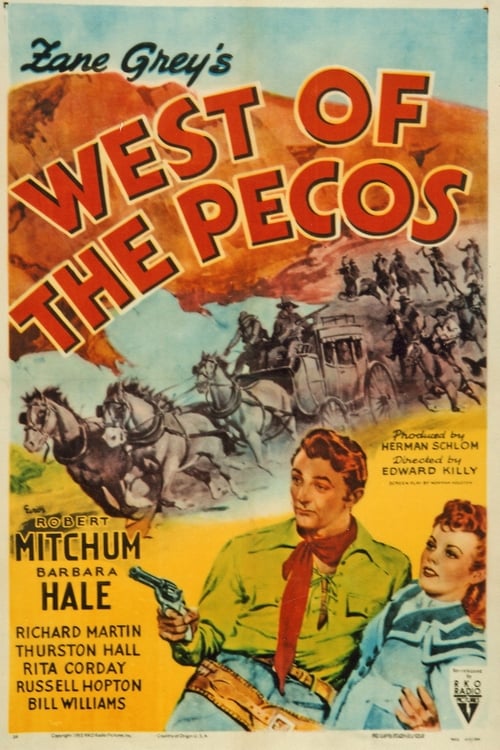
1945
No reviews yet. Be the first to share your thoughts on this movie!
Use the rating form above to leave a star rating and optional review.