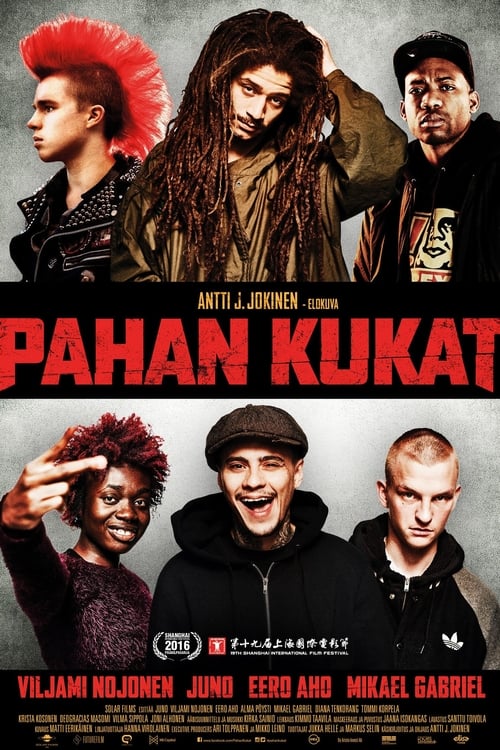
Flowers of Evil
2016
No user ratings available yet
Representation score: 5.2 out of 10

Representation Score
Good
2015
Director
Kim Seong-je
Runtime
127 minutes
Average Rating
No ratings yetNew Showbiz Analysis
The Unfair is a social realist drama that prioritizes systemic critique over individual identity politics. Its strength lies in its thematic commitment to challenging institutional power and the mechanics of urban displacement. By framing the state and developers as oppressive forces, the film provides a progressive look at systemic justice. However, the film lacks specific representation across several identity categories. The focus on a domestic, socio-political struggle results in a lack of visible LGBTQ+ or disability-related narratives. The demographic remains largely homogeneous, reflecting the specific local context of the South Korean urban renewal conflict.
Category Breakdown
The film focuses on socio-political conflicts related to urban renewal and civil rights. There are no visible LGBTQ+ character arcs or non-assuming gender matches what was assigned at birth identities.
The narrative centers on a grassroots struggle against eviction, which may challenge traditional hierarchies. While specific dynamics are unconfirmed, the drama likely emphasizes collective action over patriarchal leadership.
As a South Korean production, the cast appears ethnically homogeneous. The story functions as a metaphor for class-based 'othering,' treating residents as a social minority against the state.
The film critiques institutional stability and capitalist expansion by framing state authority as a driver of conflict. It prioritizes subjective morality and the deconstruction of systemic infallibility.
The narrative focuses on the socio-economic status of residents facing displacement. There is no specific evidence of characters with visible or invisible disabilities.
Present on Screen
Limited or Absent
Official Synopsis
Residents, who are evicted from their homes in a designated urban renewal, demonstrate against their removal. The police arrive and attempt to end the demonstration. Death happen that lead to the bigger problem.
2016
1995
2014
2012
2017

2011
1958

2003
No reviews yet. Be the first to share your thoughts on this movie!
Use the rating form above to leave a star rating and optional review.