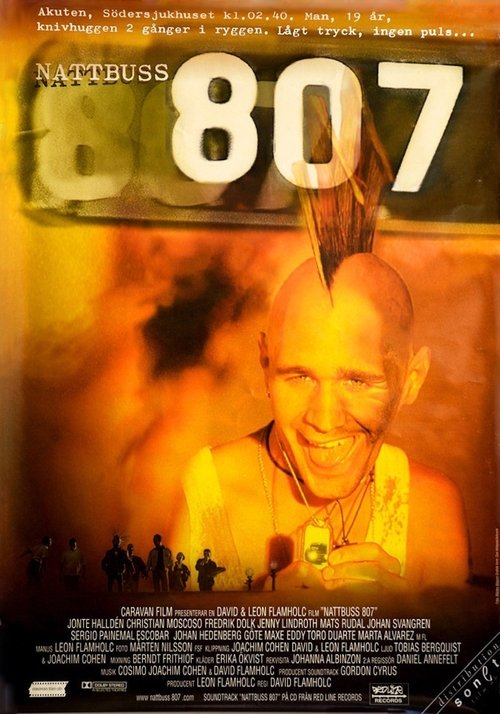
Night Bus 807
1997
No user ratings available yet
Representation score: 4.7 out of 10

Representation Score
Fair
2016
Director
Antti J. Jokinen
Runtime
105 minutes
Average Rating
No ratings yetNew Showbiz Analysis
Flowers of Evil is a gritty social realist drama that explores the breakdown of the modern welfare state. Using a reverse-chronological structure, the film traces the descent from civil unrest back to its socio-economic roots in eastern Helsinki. The film's main strength lies in its unvarnished critique of the fractures within a multicultural society. It avoids a sanitized view of social cohesion, instead highlighting the tension between immigrant populations and established state structures. However, the narrative focus is narrow. The film prioritizes ethnic and class-based conflicts, leaving little room for representation of LGBTQ+ identities or disability.
Category Breakdown
The film does not include any visible LGBTQ+ characters or stories. It focuses more on class and ethnic issues rather than sexual or gender identity politics.
The story revolves around a traditional Finnish family man. While he adheres to patriarchal roles, the chaotic social environment challenges the effectiveness of traditional male leadership.
The narrative highlights the conflict within a multicultural urban area. It emphasizes characters dealing with ethnic identity and systemic exclusion amid social unrest.
The film criticizes Western social stability by showing state institutions under attack. It portrays social dysfunction as a symptom of systemic failure and poverty.
There is no information available to assess the portrayal of physical or neurodivergent disabilities.
Present on Screen
Limited or Absent
Official Synopsis
Unrest breaks out in eastern Helsinki as a Finnish family man gets hospitalized in the summer of 2015. Gangs of young people are burning down cars and public buildings, confronting the security guards and the riot police. The narrative goes backwards, towards the riots which mark the end of our movie. As the story begins, the unrest is still bubbling under, ready to explode any time. Vandalism and robbery are not uncommon in the suburbs; neither is violence towards the police and the security guards. Frustration, alienation, isolation and poverty corrode the asphalt surface of the multicultured society, otherwise relatively harmonious.
1997

1995

2017

2019

2011
2012

2017

2013
No reviews yet. Be the first to share your thoughts on this movie!
Use the rating form above to leave a star rating and optional review.