
Kaze to Ki no Uta Sanctus: Sei Naru Kana
1987
No user ratings available yet
Representation score: 6.7 out of 10
Representation Score
Fair
1989
NRDirector
Kenichi Yatagai
Runtime
26 minutes
Average Rating
No ratings yetNew Showbiz Analysis
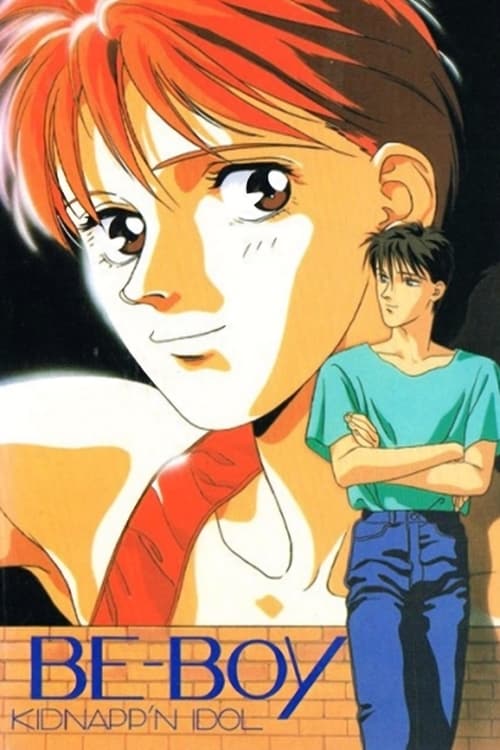
Be-Boy Kidnapp'n Idol delves into the conflict between a public persona and private truth. By focusing on a model student forced to confront long-hidden emotions, the film disrupts conventional archetypes through themes of obsession and unconventional bonds. The work serves as an early exploration of identity, emphasizing emotional vulnerability over social conformity. Despite lacking modern multi-layered complexity, it offers a character-driven perspective on the disruption of social norms. Overall, the film stands as a moderate representative work of its era, using the idol culture cliché to examine the boundaries of personal authenticity.
Category Breakdown
The title and premise suggest a story focused on a student dealing with hidden emotions, which may relate to queer identity or repressed desires. The film uses the idol cliché to explore unconventional emotional connections.
The story centers on a male protagonist navigating emotional complexity, which may challenge traditional masculine stereotypes. However, the idol figure might rely on conventional gender roles of admiration.
Given its 1989 Japanese production, the film likely features a predominantly homogenous cast. The score reflects a typical demographic presentation for the time and medium.
The film examines the tension between societal expectations and individual emotional truth. This suggests a critique of rigid social structures in favor of personal authenticity.
There is no indication of characters with physical or neurodivergent disabilities in the narrative.
Present on Screen
Limited or Absent
Official Synopsis
When thugs target his idol best friend, a model student must face emotions he’s hidden for too long.
1987
2016

2010
1993

1981
2022
2020
2010
No reviews yet. Be the first to share your thoughts on this movie!
Use the rating form above to leave a star rating and optional review.