Flodder
1986
No user ratings available yet
Diversity score: 5.2 out of 10
1987
RDirector
Robert Altman
Runtime
109 minutes
Average Rating
No ratings yetSynopsis
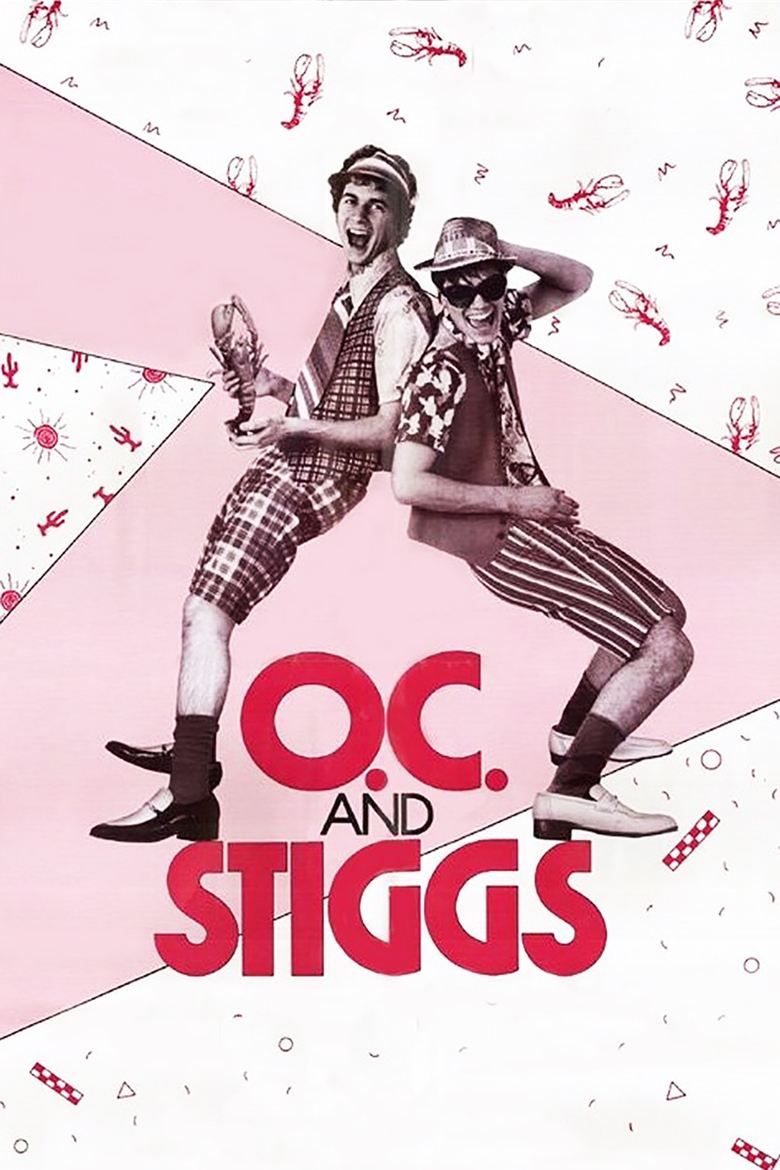
O.C. and Stiggs aren't your average unhappy teenagers. They not only despise their suburban surroundings, they plot against it. They seek revenge against the middle class Schwab family, who embody all they detest: middle class.
Overall Score
Fair
Category Breakdown
LGBTQ+ Representation
The film hints at non-traditional relational dynamics through Lenore Schwab's complicated relationship with Frankie Tang. This suggests a departure from heteronormative expectations, though explicit identity markers are not clearly defined.
Gender Representation
Traditional hierarchies are disrupted by portraying the patriarch, Randall Schwab, as incompetent and intellectually deficient. The narrative also undermines the stable matriarch trope through Elinore Schwab’s struggle with chronic alcoholism.
Racial & Ethnic Diversity
The ensemble cast includes Melvin Van Peebles and Tina Louise, indicating some racial integration. However, the central conflict remains largely centered within an Anglo-centric, upper-middle-class social sphere.
Religious & Cultural Diversity
The film excels in its anti-consumerist critique of Western institutional stability. It frames the sanctity of the family and wealth accumulation as hollow, corrupt, and artificial constructs.
Disability Representation
Disability is addressed through the involuntary commitment of O.C.’s grandfather. This element serves primarily as a plot device to fuel the protagonists' resentment rather than offering a nuanced character study.
Strengths
Areas for Improvement
AI Analysis
Robert Altman’s satire focuses on deconstructing the American Dream and suburban consumerism rather than prioritizing demographic checklists. The film finds its strength in systemic critique, attacking the moral authority of middle-class institutions. While the cast features diverse actors, the narrative's core remains an Anglo-centric class struggle. Representation of identity often feels secondary to the broader themes of anti-capitalism and social rebellion. Ultimately, the film subverts traditional roles, portraying patriarchal authority as flawed and the nuclear family as a site of dysfunction and greed.
1986
1989

2005
2017

2020

2014

2003

2009

1981
2008

2005
2012
No reviews yet. Be the first to share your thoughts on this movie!
Use the rating form above to leave a star rating and optional review.