
School for All
2006
No user ratings available yet
Diversity score: 6.4 out of 10
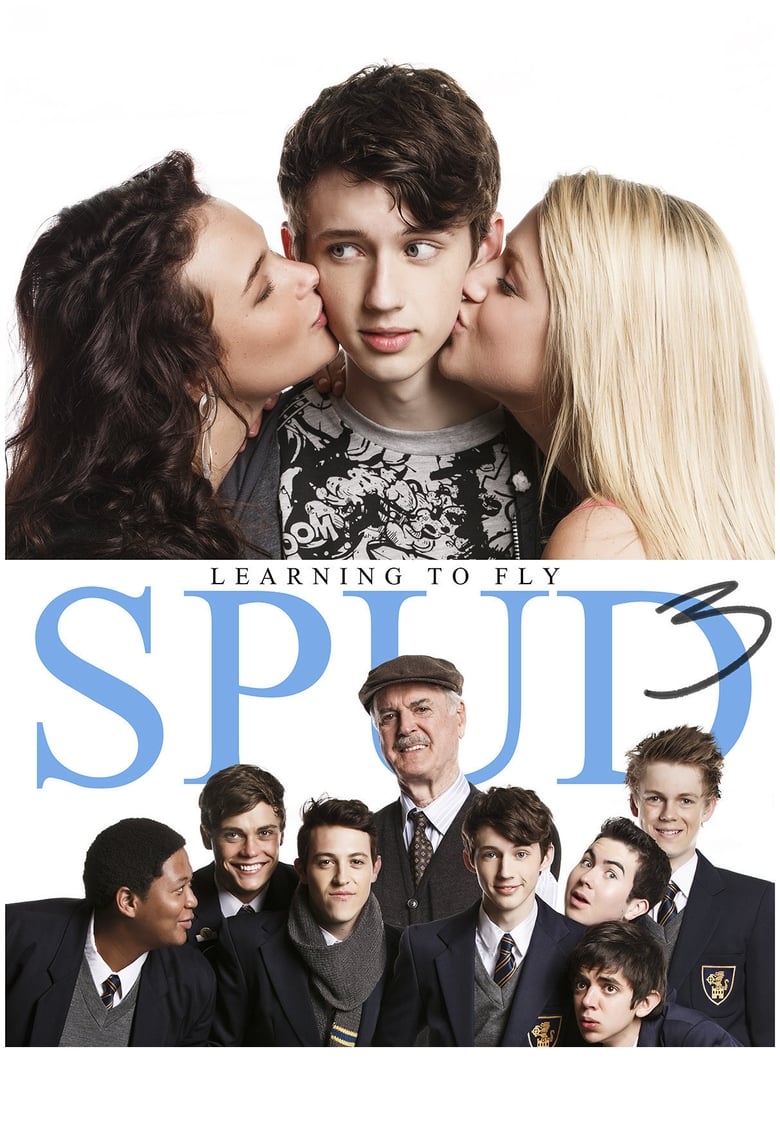
2014
TV-PGDirector
Johnny Barker
Runtime
89 minutes
Average Rating
No ratings yetSynopsis
As Spud Milton continues his awkward stagger through adolescence, he learns one of life's most important lessons: When dealing with women and cretins, nothing is ever quite as it seems. "I'm practically a man in most areas," writes Spud confidently on his sixteenth birthday. The year is 1992 and, in South Africa, radical change is in the air. The country may be on the bumpy road to an uncertain future, but Spud Milton is hoping for a smooth ride as he returns to boarding school as a senior. Instead, he discovers that his vindictive arch enemy is back to taunt him and that a garrulous Malawian has taken residence in his dormitory, along with the regular inmates and misfits he calls friends. Spud's world has never seemed less certain; he attempts to master Shakespeare, wrestles constantly with his God, and the power of negative thinking, and develops an aversion to fried fish after a shocking discovery about his grandmother, Wombat.
Overall Score
Good
Category Breakdown
LGBTQ+ Representation
The narrative focuses on traditional adolescent tropes and the protagonist's interactions with women. There is no explicit evidence of queer identities or non-heteronormative relationship arcs.
Gender Representation
The story explores the protagonist's uncertain transition into manhood. It offers moderate nuance by portraying masculine confidence as a source of struggle rather than a stable trait.
Racial & Ethnic Diversity
Set in 1992 South Africa, the film includes a Malawian character in the dormitory. This helps disrupt the typical homogeneity of the boarding school setting.
Religious & Cultural Diversity
The film captures a period of radical change in South Africa. It explores moral ambiguity through the protagonist's spiritual questioning and the deconstruction of family secrets.
Disability Representation
The available information shows no visible or invisible disabilities portrayed with agency or as central drivers of the plot.
Strengths
Areas for Improvement
AI Analysis
Spud 3: Learning to Fly succeeds by utilizing its specific South African historical context to move beyond the standard boarding school genre. The inclusion of diverse characters, such as the Malawian student, provides a more integrated social landscape than typical coming-of-age stories. However, the film remains limited in its exploration of identity. It lacks representation for LGBTQ+ individuals and characters with disabilities, sticking largely to traditional adolescent social dynamics. Ultimately, the film's strength lies in its ability to reflect a society in transition, using the protagonist's personal uncertainty to mirror the broader political shifts of the era.
2006

2015

2008

2019
2023

2023

2015
2019
2008
2007
2018

2018
No reviews yet. Be the first to share your thoughts on this movie!
Use the rating form above to leave a star rating and optional review.