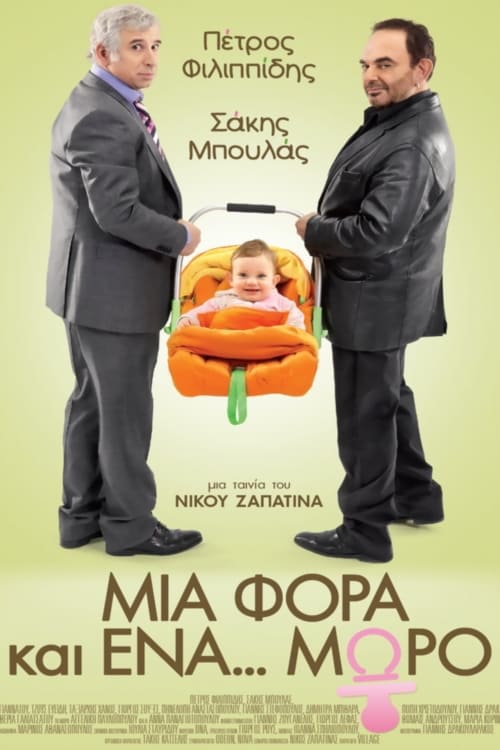
Mia fora kai ena moro
2011
No user ratings available yet
Representation score: 3.1 out of 10

Representation Score
Fair
2011
Director
Nikos Kalogeropoulos
Runtime
0 minutes
Average Rating
No ratings yetNew Showbiz Analysis
The Horsemen of Pylos presents a localized, culturally specific Greek experience that leans toward homogeneity. The narrative structure is primarily driven by male characters and traditional romantic dynamics, offering little in the way of diverse representation. While the film explores themes of subjective reality and critiques modern capitalism, these elements are more philosophical than social. The inclusion of physical health struggles introduces a minor touch of disability representation, though its depth remains unverified. Ultimately, the film functions as a character study within a specific regional context, lacking the breadth of diverse identities or multi-ethnic perspectives found in more globalized narratives.
Category Breakdown
The film adheres to a traditional structure focused on the romantic tension between Telemachus and Demokratia, without addressing queer identities or narratives that question sexual hierarchies.
The story centers on male protagonists and their interactions. Demokratia, while acting as a catalyst, shows a degree of ability to act beyond typical female archetypes by leaving her family.
The narrative is set in Messinia, Greece, reflecting a specific regional demographic. The cast appears homogeneous, with no indication of multi-ethnic representation or diverse casting.
The film offers cultural subversion by blurring the lines between dream and reality. It uses a postmodern approach to morality, critiquing capitalist structures and traditional societal obligations.
Telemachus deals with chronic lung issues, introducing a physical health struggle. However, it is unclear if this condition is treated with ability to act or used merely as a plot device.
Present on Screen
Limited or Absent
Official Synopsis
Telemachus, an actor with a glorious past and an uncertain future, leaves Athens at the age of fifty to escape the banks. With the help of Babis "Fou," he finds refuge in an abandoned castle in the heart of Messinia. The only inhabitants are two brothers who don't speak to each other and a niece who got fed up with them and left, Demokratia. Telemachus meets her by chance and is enchanted. A little of the doctor's syrup for his lungs, which have become a mine, a little tsipouro, a little of Babis' "forbidden substances"... the gods intervene and Democracy returns to her place! Dream, reality, or both? You be the judge, and whoever finds out wins a Kalamon pasteli.
2011
2016

2014
1968

1981

2001

1964
1986
No reviews yet. Be the first to share your thoughts on this movie!
Use the rating form above to leave a star rating and optional review.