Nilavu Suduvathillai
1984
No user ratings available yet
Diversity score: 3.3 out of 10
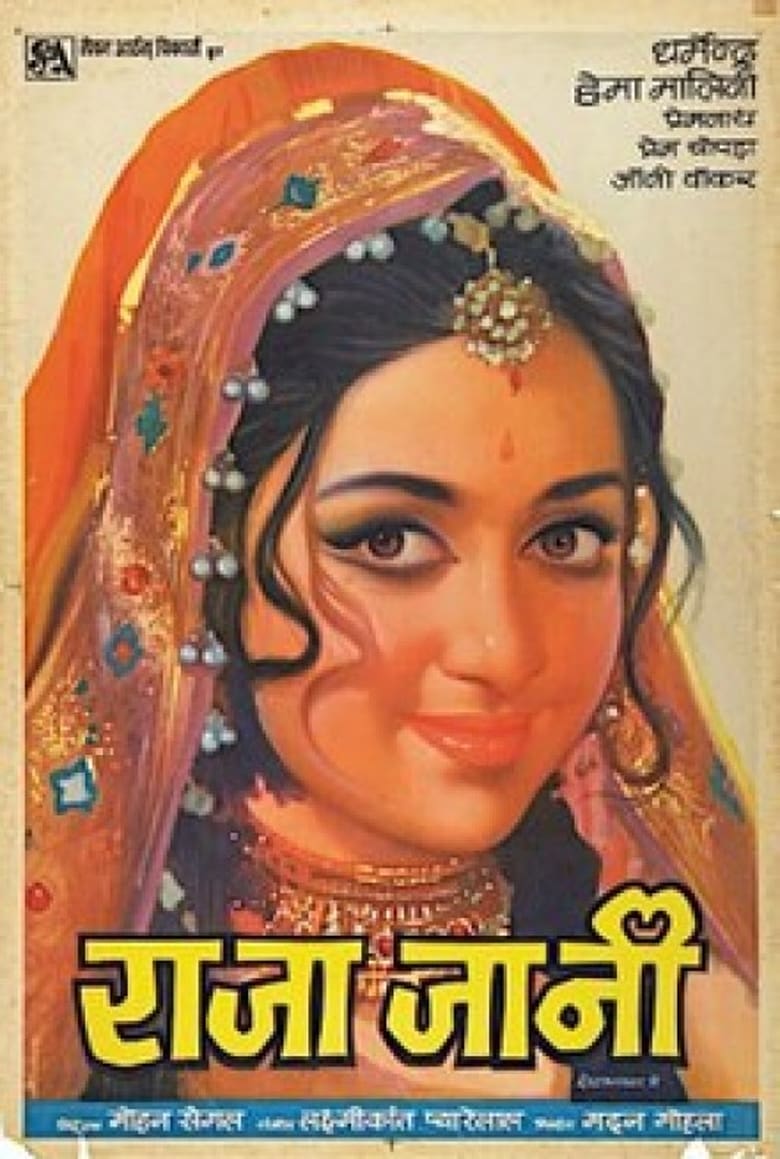
1972
Director
Mohan Segal
Runtime
146 minutes
Average Rating
No ratings yetSynopsis
Two men make a plan to present a street dancer as the long lost granddaughter of a wealthy queen
Overall Score
Limited
Category Breakdown
LGBTQ+ Representation
The film lacks any evidence of non-cisnormative identities or same-sex intimacy. It follows the heteronormative romantic trajectories typical of 1970s mainstream Indian cinema.
Gender Representation
The plot is driven by a male protagonist who orchestrates the central deception. While women are central to the story, their agency remains secondary to male-led machinations.
Racial & Ethnic Diversity
The cast is culturally homogeneous, reflecting its specific production context. The film explores internal Indian social hierarchies and class distinctions rather than ethnic diversity.
Religious & Cultural Diversity
The narrative focuses on social climbing and traditional values. It lacks a deconstruction of institutions, operating instead within a framework of conventional social aspiration.
Disability Representation
There is no documented evidence regarding the portrayal of physical or neurodivergent disabilities in this work.
Strengths
Areas for Improvement
AI Analysis
Raja Jani is a conventional 1970s drama that prioritizes established social hierarchies over progressive representation. The film uses class performance as its primary engine, focusing on the friction between street performers and the wealthy elite. While the story explores socioeconomic mobility, it does so through a traditional lens. The narrative reinforces period-specific norms, particularly regarding gender roles and social standing, rather than challenging them. Ultimately, the film serves as a reflection of its era's social structures. It lacks the intersectional depth or intentionality required to represent marginalized identities or subvert traditional cinematic tropes.
1984
1971

1997
1978
1993
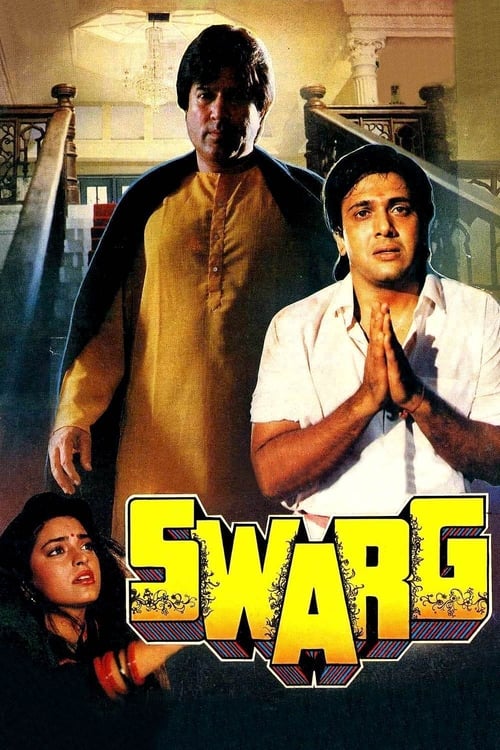
1990
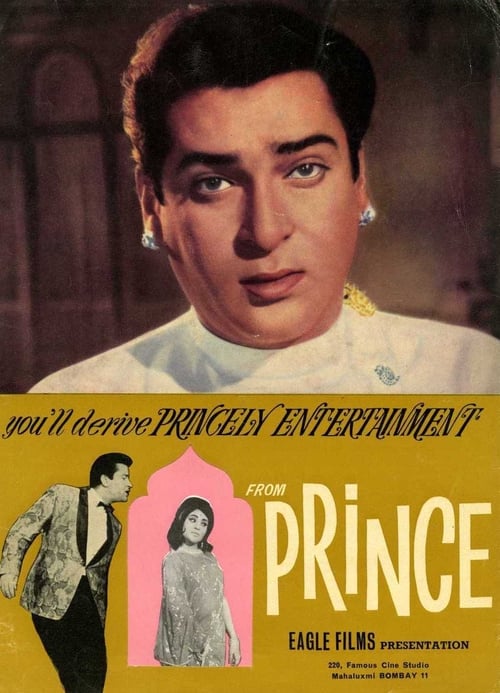
1969

2003
1985

1969
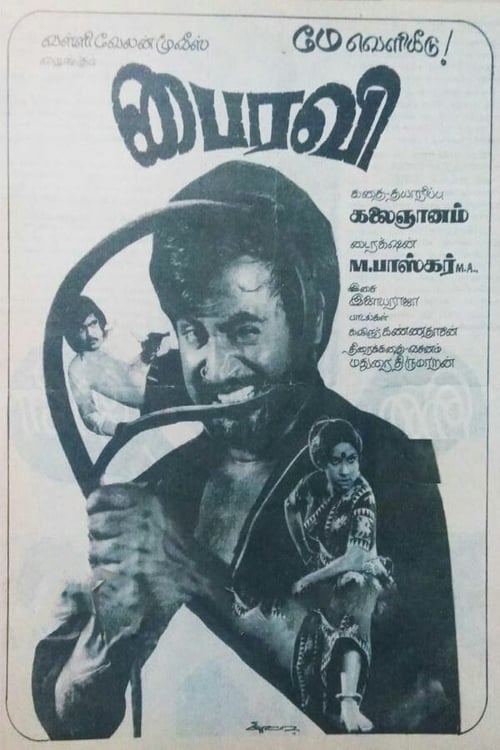
1978
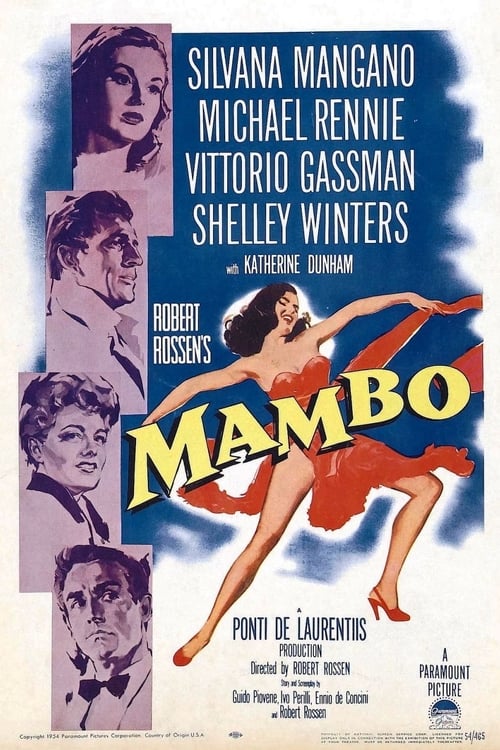
1954
No reviews yet. Be the first to share your thoughts on this movie!
Use the rating form above to leave a star rating and optional review.