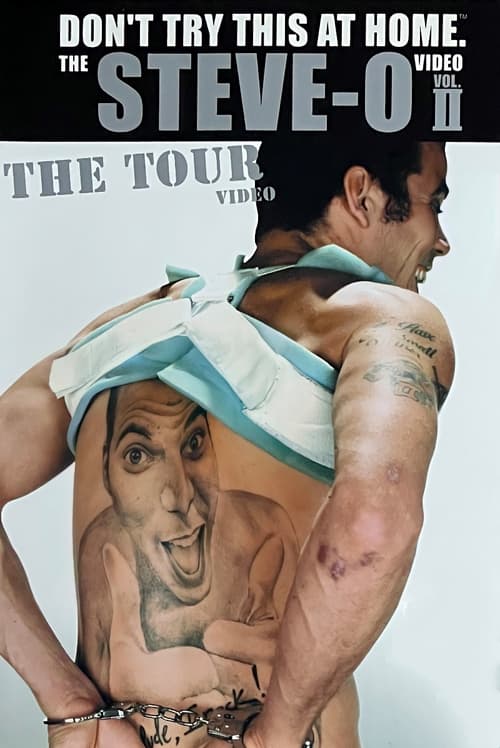
Don't Try This at Home – The Steve-O Video Vol. 2: The Tour
2002
No user ratings available yet
Representation score: 5.0 out of 10
Representation Score
Fair
2004
Director
Steve-O
Runtime
44 minutes
Average Rating
No ratings yetNew Showbiz Analysis
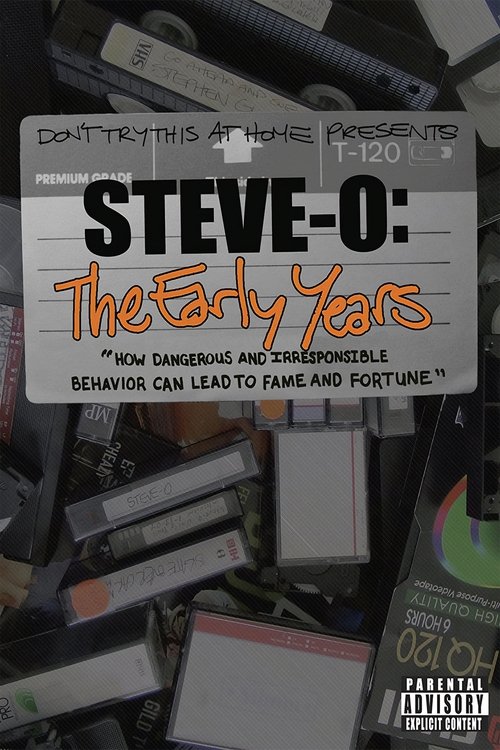
Steve-O: The Early Years is a niche biographical study of counter-cultural rebellion. It lacks diversity in terms of gender, race, and LGBTQ+ identities, focusing instead on a singular, hyper-masculine trajectory. However, the film achieves value through its critique of social norms. By presenting drug use and rejecting formal education as paths to stardom, it challenges traditional meritocracy and conventional morality. Ultimately, the work celebrates anti-authoritarianism, prioritizing chaotic, non-conformist liberation over the stability of Western institutional success.
Category Breakdown
The film focuses on the journey of a single individual and does not include any explicit LGBTQ+ characters or stories centered around non-straight identities.
The narrative heavily centers on male experiences and male-dominated subcultures like skateboarding. It lacks evidence of strong female roles or challenges to traditional gender roles.
The film appears to center on a homogeneous social circle and does not show intentional racial diversity or varied casting within the depicted subculture.
The film celebrates rebellious behavior and the breaking down of traditional Western institutions. It emphasizes individualistic rebellion and non-conformist liberation over societal stability.
The film highlights dangerous stunts more than meaningful disability representation. Characters with disabilities are shown primarily in the context of physical feats rather than having significant roles.
Present on Screen
Limited or Absent
Official Synopsis
How did a college drop-out with a drug and alcohol problem use a home video camera to become an international icon of bad behavior? Don't Try This At Home presents Steve-O: The Early Years, a documentary full of footage that censors would never allow on television. Follow Steve-O through his childhood skateboarding and drug-dealing days, first life-threatening stunts, time in the circus and, ultimately, international stardom. You will not believe what a buttnut this guy really is.
2002
2003
1999
2009
2015
2009
2010
2003
No reviews yet. Be the first to share your thoughts on this movie!
Use the rating form above to leave a star rating and optional review.