
Ah Müjgân Ah
1970
No user ratings available yet
Representation score: 2.9 out of 10
Representation Score
Limited
1973
Director
Orhan Elmas
Runtime
80 minutes
Average Rating
No ratings yetNew Showbiz Analysis
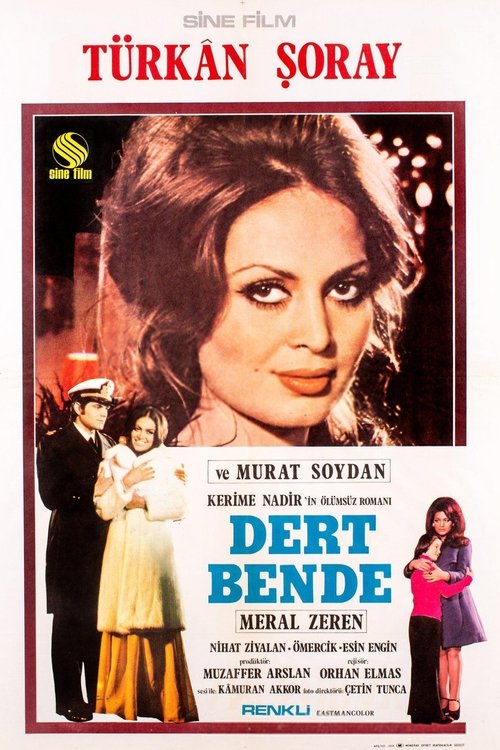
Dert Bende is a typical 1970s Turkish melodrama that emphasizes personal emotions and family conflicts. The story revolves around the rivalry between two sisters vying for the same man, following established romantic clichés of the time. The film operates within a traditional framework, focusing on individual emotional struggles rather than broader social critiques. It does not attempt to challenge or deconstruct social norms or explore identity-based themes.
Category Breakdown
The film focuses solely on heterosexual relationships and does not include any characters with non-binary gender identities or sexual orientations. It also does not critique the assumption that everyone is straight or cisgender.
Female characters play key roles in driving the emotional storyline, but their actions are closely tied to gaining approval from a man. The main conflict revolves around traditional gender roles and expectations.
The film features a cast that reflects a culturally homogeneous Turkish population. It does not blend diverse demographics like more modern, international productions do.
The story is grounded in traditional social and familial expectations. It does not question the importance of the family unit or other social institutions.
The film does not feature any characters with visible or invisible disabilities. There is no information about neurodivergence or physical impairments.
Present on Screen
Limited or Absent
Official Synopsis
The love lives of two sisters who are in love with the same man are intertwined. And when one of them decisively decides to get married, things get really complicated.
1970

1965
1962
1977

1984

2013
1971

1998
No reviews yet. Be the first to share your thoughts on this movie!
Use the rating form above to leave a star rating and optional review.