
Geronimo
1993
No user ratings available yet
Representation score: 3.1 out of 10
Representation Score
Fair
1995
Director
Larry Elikann
Runtime
92 minutes
Average Rating
No ratings yetNew Showbiz Analysis
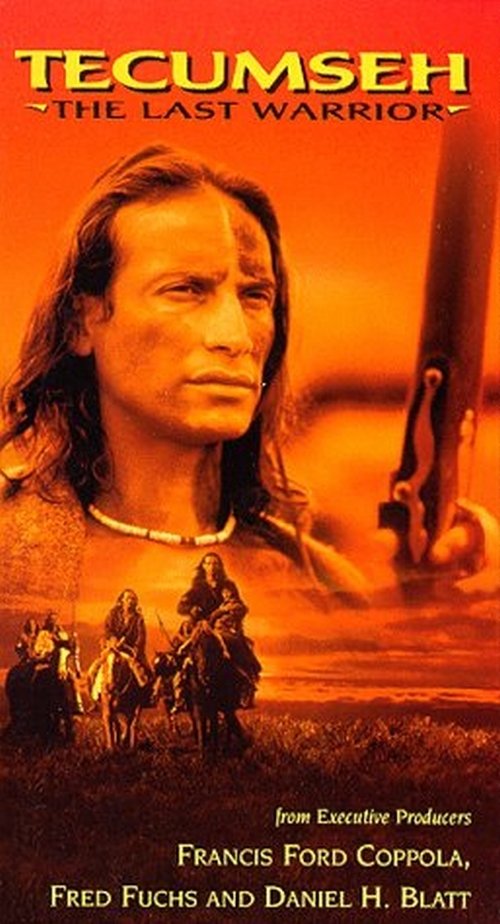
Tecumseh: The Last Warrior shifts the focus from white-centric expansionism to the Shawnee experience, providing a critical perspective on colonial power. However, the film adheres to the social structures of the early 19th century, lacking modern characters who reflect more than one aspect of diversity, especially regarding LGBTQ+ identities and diverse gender roles. Ultimately, the film offers a powerful critique of American exceptionalism, though it does not address contemporary social diversities.
Category Breakdown
The film focuses on historical tribal leadership and territorial conflicts. There is no depiction of LGBTQ+ identities or same-sex relationships.
The story emphasizes traditional masculine leadership and roles in warfare. Despite avoiding submissive stereotypes, there is a lack of prominent female involvement in the political struggle.
The film challenges Western stereotypes by centering a Native American protagonist. Authentic casting, such as Wes Studi, brings indigenous characters to the forefront of the plot.
The narrative critiques Manifest Destiny by highlighting the spiritual and sovereign ties between indigenous tribes and their land.
There are no significant portrayals of physical or neurodivergent disabilities that influence the storyline.
Present on Screen
Limited or Absent
Official Synopsis
This western began in 1812 when the settlers tried to take away more and more territories from the indians. Tecumseh, who is the leader of the Shawnee indians, tries to do something. He plans a big indian state, and tries to win the English settlers over to this plan...
1993
2007
1952
1993

1995
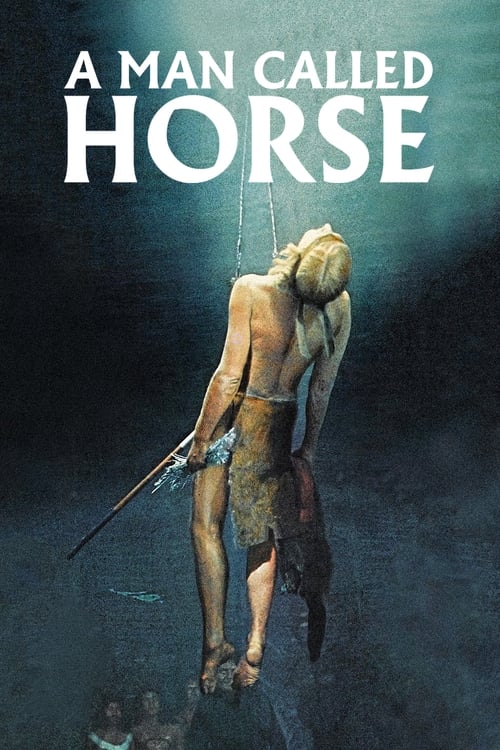
1970
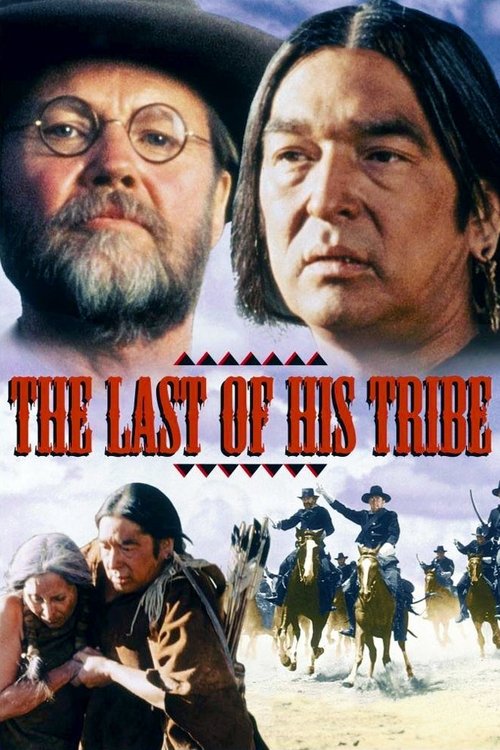
1992

1950
No reviews yet. Be the first to share your thoughts on this movie!
Use the rating form above to leave a star rating and optional review.