Mind Games
1998
No user ratings available yet
Representation score: 1.4 out of 10
Representation Score
Minimal
2014
TV-14Director
Michael Z. Wechsler
Runtime
106 minutes
Average Rating
No ratings yetNew Showbiz Analysis
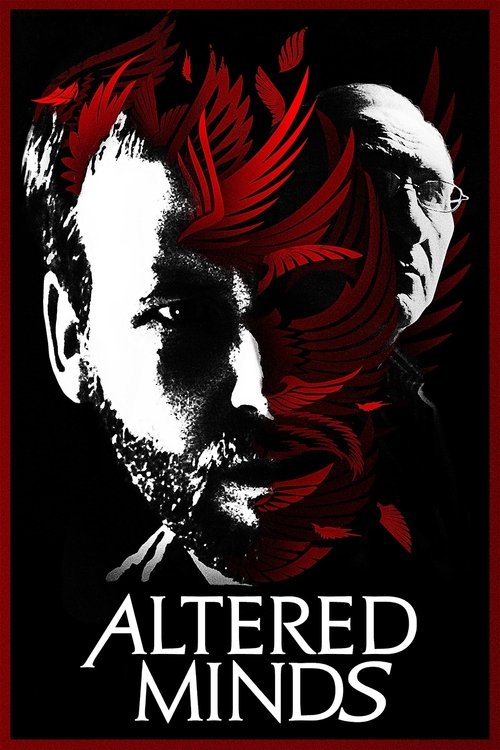
Altered Minds functions as a psychological thriller that focuses on dismantling authority structures. Its primary progressive value lies in challenging patriarchal and institutional power. However, the film lacks multi-layered complexity. While it delves deeply into familial trauma and skepticism of institutions, it fails to provide visible representation across race, orientation, or disability. Ultimately, the film offers a critique of social structures rather than a diverse range of human experiences, resulting in a narrow media profile.
Category Breakdown
The film does not include any queer romance or non-straight identities. There are no gender-nonconforming characters in the story.
The story challenges traditional hierarchies by depicting the male patriarch as a source of deception. The children gain ability to act as they dismantle the father's legacy.
No information is available about the racial makeup of the cast. The film does not show any non-Anglo-Saxon representation.
The narrative critiques Western institutional power and state-sanctioned authority. It deconstructs the ideal Western family unit through themes of corruption and psychological trauma.
While the film explores psychological themes, there is no portrayal of characters with disabilities having significant roles or ability to act.
Present on Screen
Limited or Absent
Official Synopsis
A family reunion goes awry when the oldest son makes the accusation that his dying father, a famed psychiatrist who also did work for the CIA, adopted his children for the purposes of psychological experimentation.
1998
2010
2017

2005
2017
2014

2014
2014
No reviews yet. Be the first to share your thoughts on this movie!
Use the rating form above to leave a star rating and optional review.