
Sound of My Voice
2011
No user ratings available yet
Representation score: 6.2 out of 10
Representation Score
Fair
2014
Not RatedDirector
Riley Stearns
Runtime
90 minutes
Average Rating
No ratings yetNew Showbiz Analysis
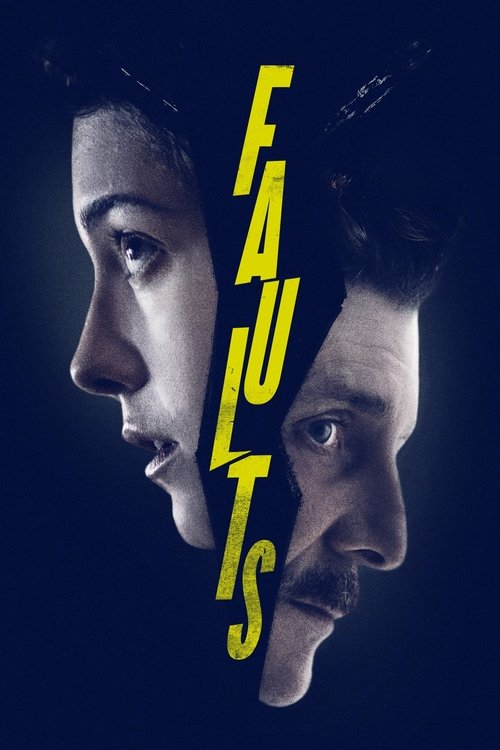
Faults is a character-driven film that emphasizes philosophical deconstruction over broad social commentary. Its strength lies in its nuanced critique of religious and spiritual authority, offering a sophisticated examination of institutional morality. However, the film's narrow demographic focus limits its engagement with diverse backgrounds and identities. The narrative remains confined to a small, individualistic framework, lacking characters who reflect more than one aspect of diversity.
Category Breakdown
The film does not include any characters with non-binary or transgender identities. The main characters are all assumed to be heterosexual and cisgender.
The film explores gender roles through emotional vulnerability and psychological conflict. However, it does not challenge traditional gender stereotypes or power imbalances.
The cast is primarily composed of white actors, creating a homogeneous appearance. The story focuses on individual experiences rather than exploring diverse racial backgrounds.
The film effectively critiques the influence of religious institutions by presenting morality as a personal, secular concept rather than a divine command.
Characters with psychological issues are portrayed through existential struggles rather than as representations of neurodivergence. These characters do not have much control over their situations.
Present on Screen
Limited or Absent
Official Synopsis
Claire is under the grip of a mysterious new cult called Faults. Desperate to be reunited with their daughter, Claire's parents recruit one of the world's foremost experts on mind control, Ansel Roth.
2011
2015

2017
2021
2017

2013
2017
2014
No reviews yet. Be the first to share your thoughts on this movie!
Use the rating form above to leave a star rating and optional review.