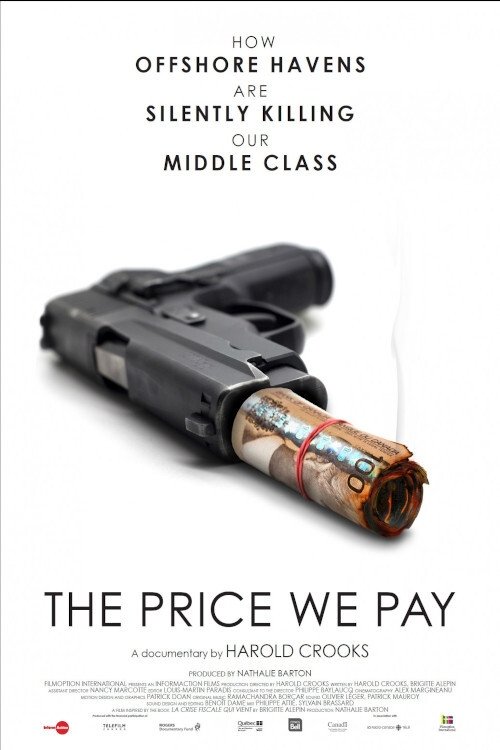
The Price We Pay
2014
No user ratings available yet
Diversity score: 5.6 out of 10
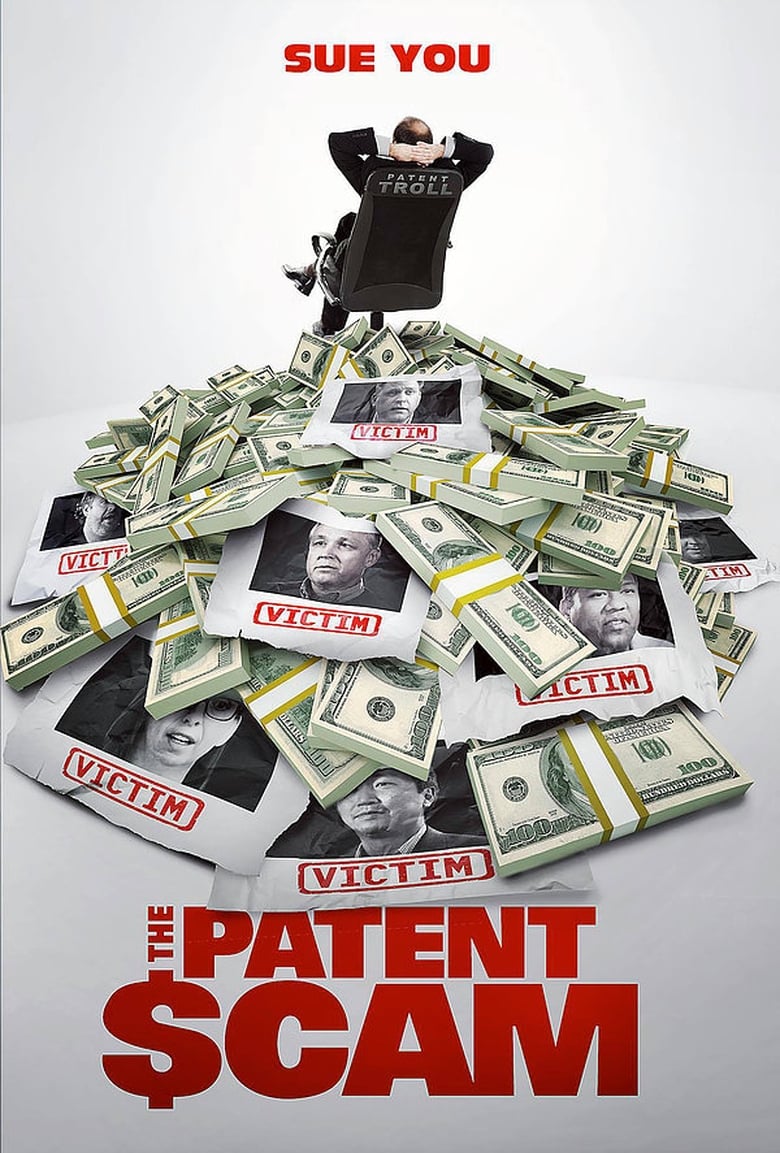
2017
Director
Austin Meyer
Runtime
110 minutes
Average Rating
No ratings yetSynopsis
The corruption runs deeper than you'd ever imagine. A multi-billion dollar industry you've never heard of. This is the world Patent Trolls thrive in: A world created for them by our own U. S. Patent system. You can be sued for clicking on a hyperlink, using your own scanner, or sharing your Wi-Fi! It sounds insane, but the reality is even crazier. Patent Trolls look for obvious ideas, patent them, and then sue anyone they claim is infringing on their idea. People's lives and businesses are being destroyed.. and they have no way out. “The Patent Scam” exposes the underbelly of this system, and the people that commit this practice.
Overall Score
Fair
Category Breakdown
LGBTQ+ Representation
The documentary focuses on legal and corporate malfeasance. There is no evidence of LGBTQ+ characters or narratives addressing heteronormativity.
Gender Representation
The subject matter is institutional and legalistic. It centers on systemic structures rather than gendered dynamics or the subversion of gender hierarchies.
Racial & Ethnic Diversity
The film examines the impact of the patent system on people and businesses. However, it does not explicitly detail the racial or ethnic composition of its subjects.
Religious & Cultural Diversity
The film critiques established Western institutions. It challenges the integrity of capitalist legal frameworks by portraying the U.S. patent system as predatory and broken.
Disability Representation
There is no documented evidence regarding the inclusion of subjects with physical, neurodivergent, or mental health disabilities within this investigative work.
Strengths
Areas for Improvement
AI Analysis
The film operates as a systemic critique rather than a study of demographic identity. Its primary value lies in deconstructing the perceived infallibility of Western legal and capitalist institutions. While the documentary lacks significant intersectional markers regarding race, gender, or orientation, it provides a high degree of cultural subversion. It frames established power structures as tools for exploitation rather than pillars of stability. Ultimately, the narrative prioritizes institutional transparency and the exposure of corruption over the representation of specific marginalized groups.
2014

2017
2019

2010
2020

2018
2017

2022

2018
2018
2011

2009
No reviews yet. Be the first to share your thoughts on this movie!
Use the rating form above to leave a star rating and optional review.