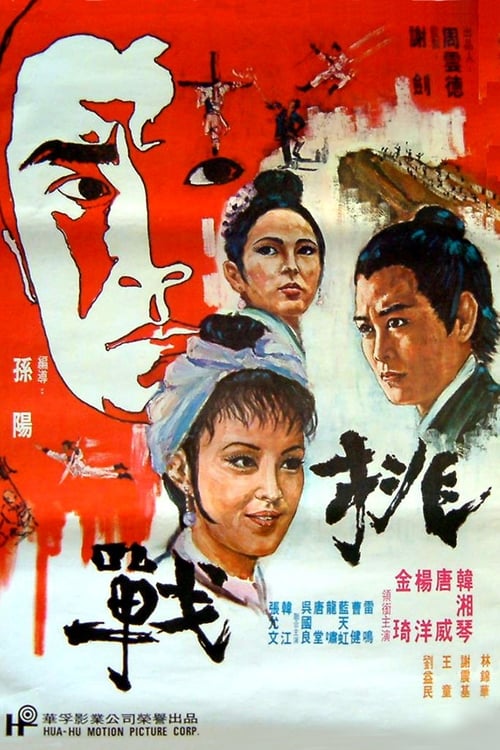
Forced to Fight
1971
No user ratings available yet
Diversity score: 4.4 out of 10
1993
Director
Benny Chan Muk-Sing
Runtime
93 minutes
Average Rating
No ratings yetSynopsis
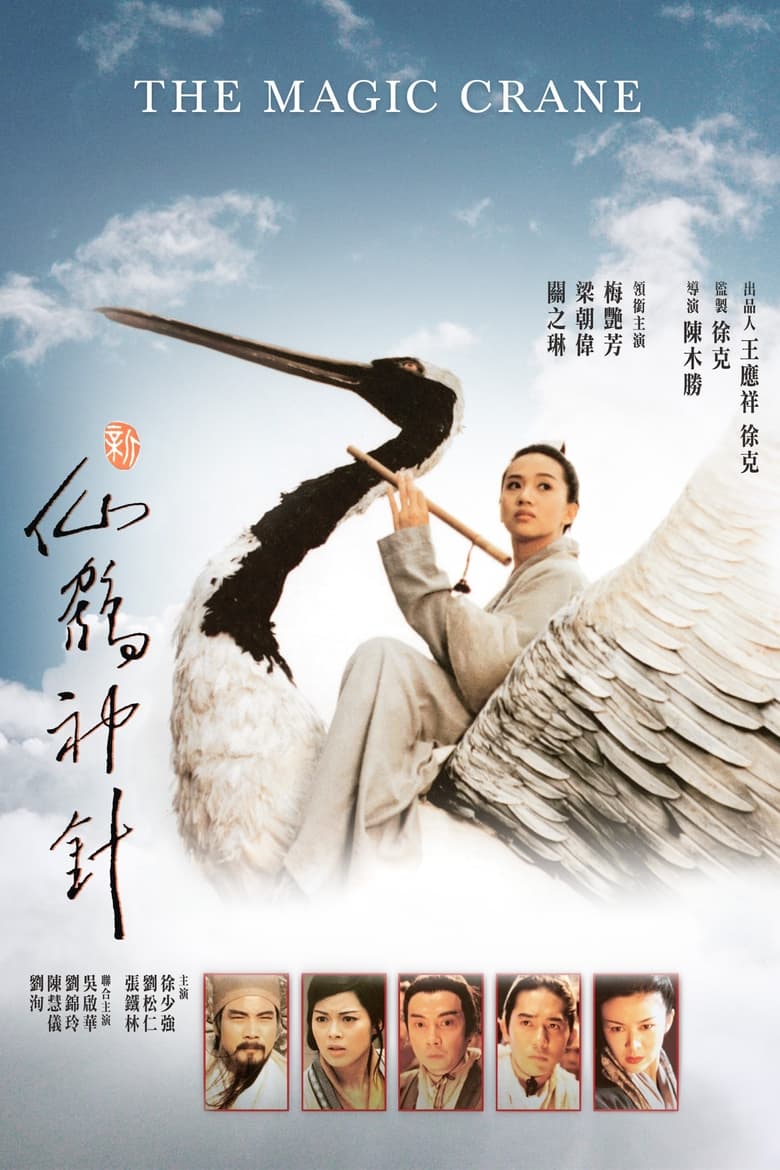
On his way to a congress of kung fu masters, an initiate falls from a high cliff, only to be rescued by lovely Tien Lam (Anita Mui), who rides a huge crane. The rest of the movie features a battle between warring martial arts factions, an equally fierce rivalry between the two daughters of the Crane Master, the accidental empowerment of an unprincipled master after having eaten half of a secret scroll, a battle with an immense tortoise whose spleeny vapors save a group of poisoned swordsmen, lots of great aerial fights against nearly invincible villains, and the usual blood spurting from assorted mouths.
Overall Score
Fair
Category Breakdown
LGBTQ+ Representation
The film adheres to traditional wuxia conventions, focusing on heteronormative pairings or platonic brotherhoods. There is no explicit evidence of non-cisnormative identities or same-sex intimacy.
Gender Representation
Strong female characters like Tien Lam challenge patriarchal tropes by possessing significant agency and supernatural abilities. The rivalry between the Crane Master's daughters positions women as central drivers of the plot.
Racial & Ethnic Diversity
The cast and setting are ethnically homogeneous, reflecting its Hong Kong origins. It serves as a robust cultural export of East Asian identity without seeking to deconstruct ethnic hierarchies.
Religious & Cultural Diversity
The narrative operates within traditionalist martial arts ethics and subjective morality. It leans into high-fantasy tropes of honor and skill rather than critiquing specific social or political institutions.
Disability Representation
Physical ailments, such as poisoned swordsmen, function primarily as plot devices to drive action. These conditions lack nuanced exploration and do not grant characters agency independent of their medical status.
Strengths
Areas for Improvement
AI Analysis
The film excels at subverting gendered expectations through capable female leads like Anita Mui. These characters provide meaningful agency within a high-fantasy martial arts setting. However, the work remains tethered to 1990s genre structures. It prioritizes kinetic spectacle and established archetypes over the inclusion of intersectional identities or the deconstruction of systemic power dynamics. Ultimately, it is a culturally specific piece that provides strong representation for women while remaining within traditional narrative boundaries.
1971
1987
1987
1994
No reviews yet. Be the first to share your thoughts on this movie!
Use the rating form above to leave a star rating and optional review.