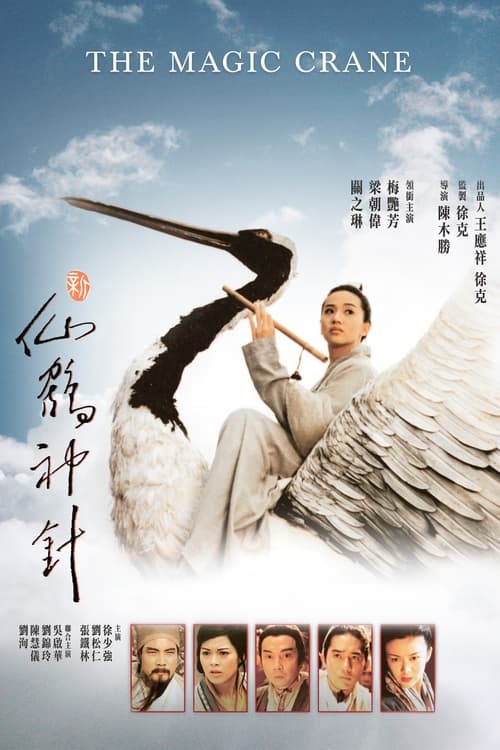
The Magic Crane
1993
No user ratings available yet
Representation score: 7.0 out of 10
Representation Score
Limited
1971
RDirector
Sun Yang
Runtime
90 minutes
Average Rating
No ratings yetNew Showbiz Analysis
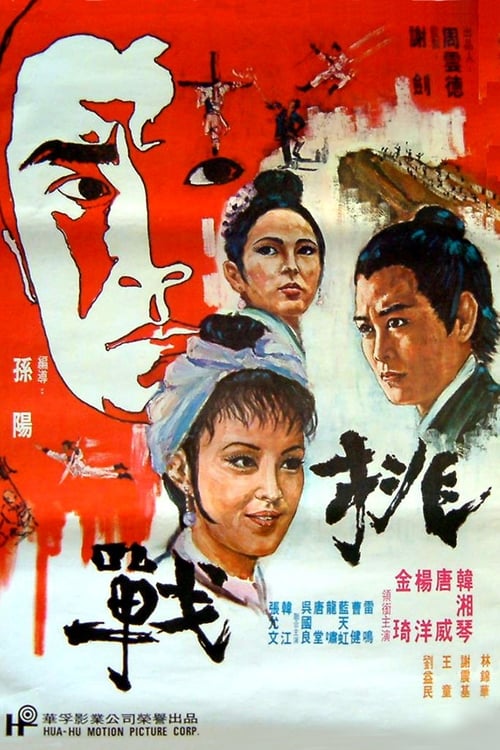
Forced to Fight (1971) is a conventional martial arts film that relies on established genre clichés. Its main strength lies in the actively leading protagonist, a female swordsman who holds significant narrative power. However, the film remains largely traditional, adhering to established social structures and moral frameworks centered on personal justice. The absence of diverse identities or subversive themes keeps the film in a middle-ground position.
Category Breakdown
The film does not explicitly depict non-straight relationships or same-sex intimacy. The story revolves around a traditional revenge plot and teacher-student relationships.
Tang Wei plays a strong female kung fu swordsman, challenging typical gender roles. Her actively leading character drives the story through personal vengeance.
The film focuses on East Asian cultural aesthetics and martial arts traditions. It highlights a specific lineage of combat through its storyline.
The movie emphasizes traditional values such as loyalty and family-like bonds. It follows established moral frameworks common to the martial arts genre.
There is no information available regarding the depiction of physical or neurodivergent disabilities in this film.
Present on Screen
Limited or Absent
Official Synopsis
After taking on an entire army to avenge the murder of his master, a tenacious kung fu swordsman (Tang Wei) is forced out of retirement to fight again.
1993
1967
1972
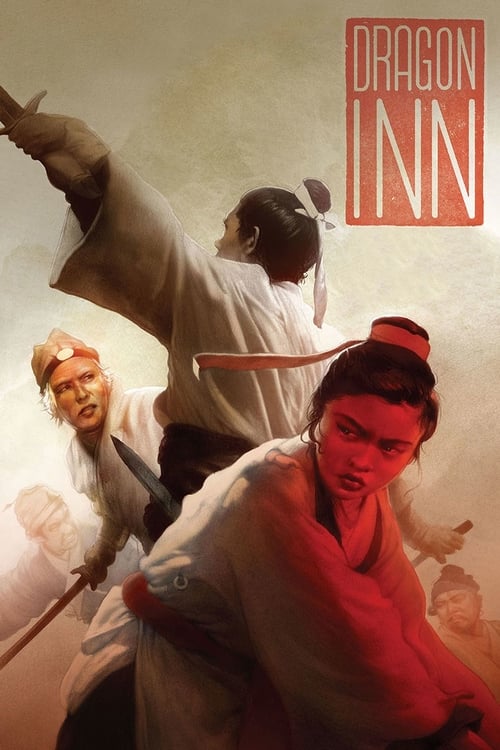
1967
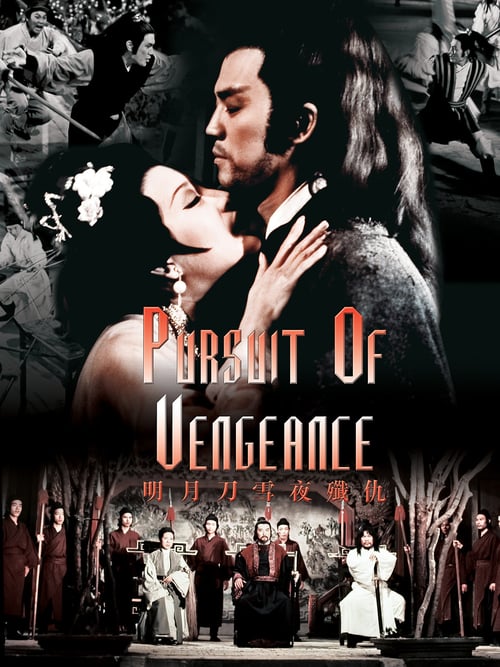
1977
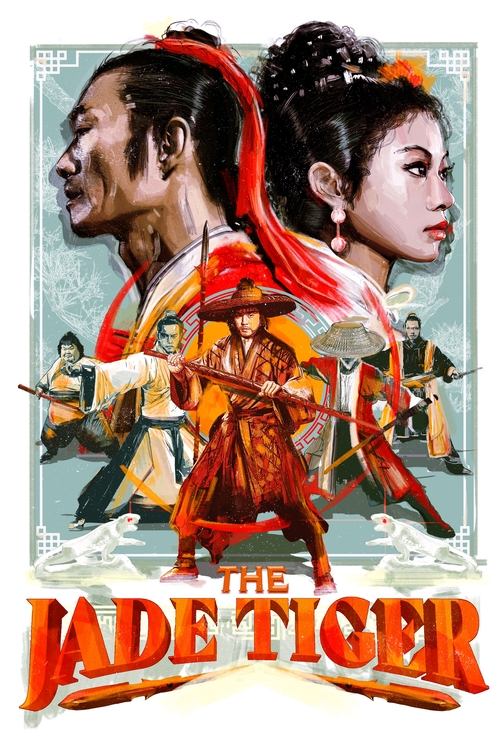
1977
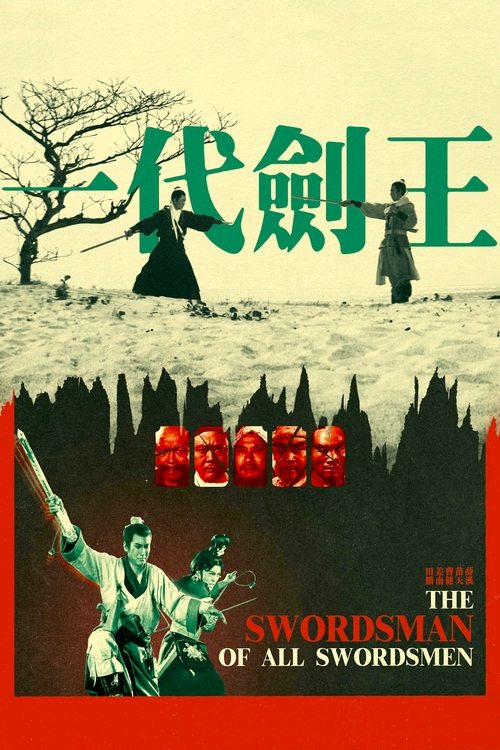
1968
1977
No reviews yet. Be the first to share your thoughts on this movie!
Use the rating form above to leave a star rating and optional review.