Citizens of the World
2020
No user ratings available yet
Diversity score: 5.3 out of 10
1987
Director
Lembit Ulfsak
Runtime
71 minutes
Average Rating
No ratings yetSynopsis
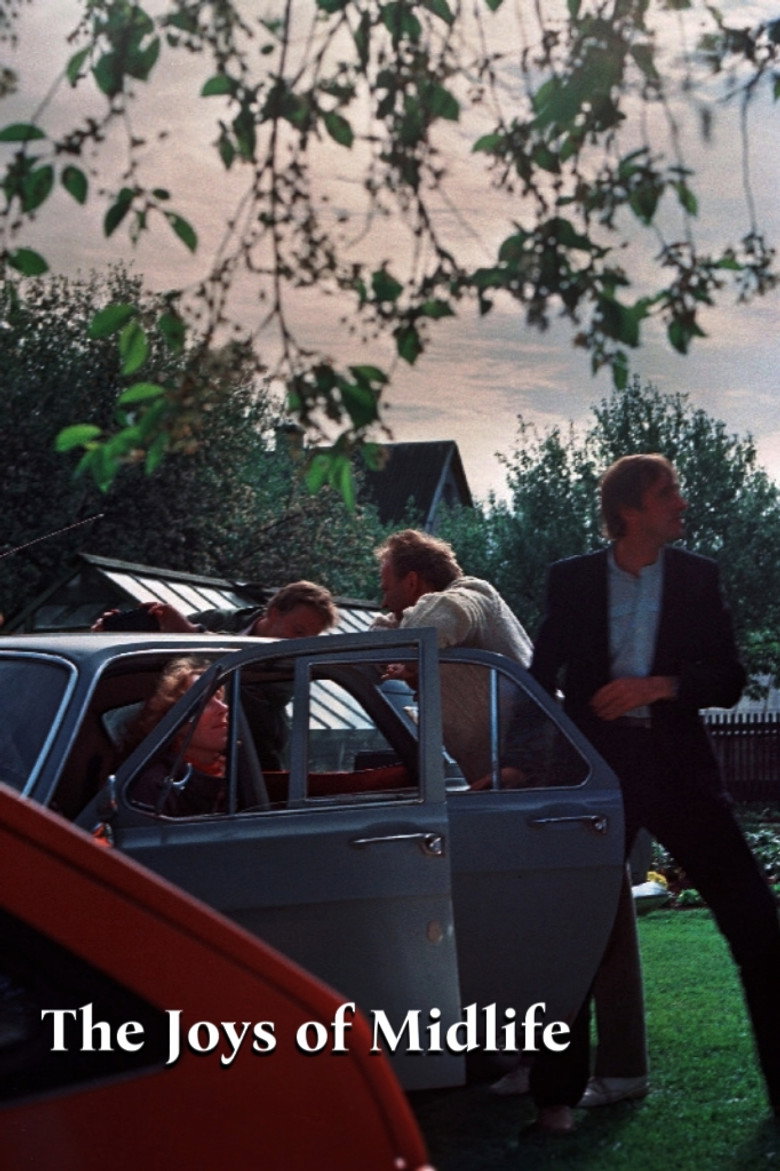
Five people who have recently reached middle-age are driving through Estonia to visit a famous witch-therapist to get rid of their problems. The somber-funny road movie gives a good overview of the life, people and daily problems in Estonia at the end of the Soviet period.
Overall Score
Fair
Category Breakdown
LGBTQ+ Representation
The film lacks explicit evidence of non-heteronormative identities or same-sex intimacy. The focus on middle-age struggles suggests a narrative centered on domestic or existential themes.
Gender Representation
The plot disrupts patriarchal structures by centering on a mystical female witch-therapist. This figure provides healing that bypasses traditional male-dominated medical or state hierarchies.
Racial & Ethnic Diversity
Set in late-Soviet Estonia, the film likely depicts a relatively homogeneous ethnic landscape. It prioritizes specific cultural grounding and regional life over multi-ethnic casting.
Religious & Cultural Diversity
The narrative critiques Soviet-era structures by favoring folk-based wisdom over state institutions. Using a witch-therapist highlights a skepticism toward centralized, secular morality.
Disability Representation
The characters seek to resolve various problems, which may include psychological or emotional distress. However, the specific nature of these conditions remains undefined.
Strengths
Areas for Improvement
AI Analysis
The film serves as a somber-funny road movie that captures the social realism of late-Soviet Estonia. It uses dark comedy to explore the friction between individual agency and institutional decay during a period of systemic stagnation. While the film excels at cultural critique and subverting traditional authority through its female lead, it lacks visible diversity in terms of queer identity or multi-ethnic representation. The focus remains deeply rooted in the specific, localized Estonian experience of the era. Ultimately, the work is a study of social and psychological crises, using a non-traditional healer to navigate the daily problems of middle age.
2020
1999
1981
2014

2023
2016
2013
2002

2018

2010

2003
2005
No reviews yet. Be the first to share your thoughts on this movie!
Use the rating form above to leave a star rating and optional review.