
Home Movies
2017
No user ratings available yet
Representation score: 4.7 out of 10
Representation Score
Excellent
1976
Not RatedDirector
Barbara Hammer
Runtime
19 minutes
Average Rating
No ratings yetNew Showbiz Analysis
Barbara Hammer’s work is a crucial feminist film that uses experimental techniques to challenge traditional power structures. By focusing on queer female subjectivity, the film effectively counters the traditional male perspective. The film excels in its radical approach to gender and sexuality, reclaiming the female body from passive objectification. It serves as a powerful critique of the social and moral constraints of its time. However, the film’s narrow, intimate scope means it lacks diversity in terms of race, ethnicity, or disability. While it excels in depth regarding identity, it offers limited demographic variety.
Category Breakdown
The film focuses on queer female intimacy as the main theme rather than a side plot. It explores lesbian identity deeply.
The work breaks down traditional hierarchies by using a female-centric visual style. It highlights female autonomy, pleasure, and independence.
Due to its experimental and intimate nature, there is insufficient information to evaluate specific racial or ethnic diversity.
The film challenges strict social norms by emphasizing personal, queer truths over institutional morality. It focuses on individual intimacy rather than traditional social stability.
There is no specific information about the portrayal of physical or neurodivergent disabilities in the available documentation.
Present on Screen
Limited or Absent
Official Synopsis
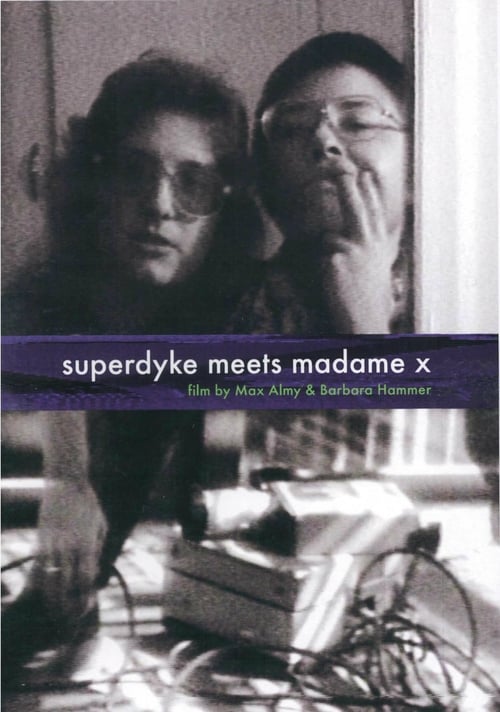
From the first kiss to breakup, Almy and Hammer record their relationship on a reel-to-reel ¾” tape recorder and microphone.
2017
2019
2009
1992

2008
1974
1978

2004
No reviews yet. Be the first to share your thoughts on this movie!
Use the rating form above to leave a star rating and optional review.