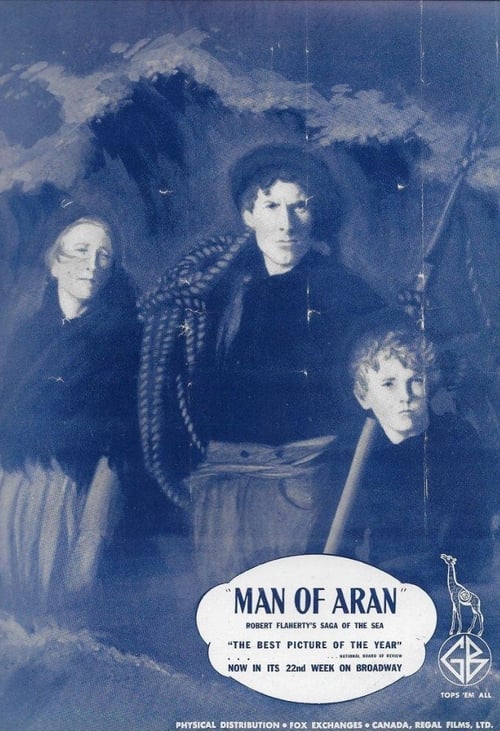
Man of Aran
1934
No user ratings available yet
Diversity score: 2.7 out of 10
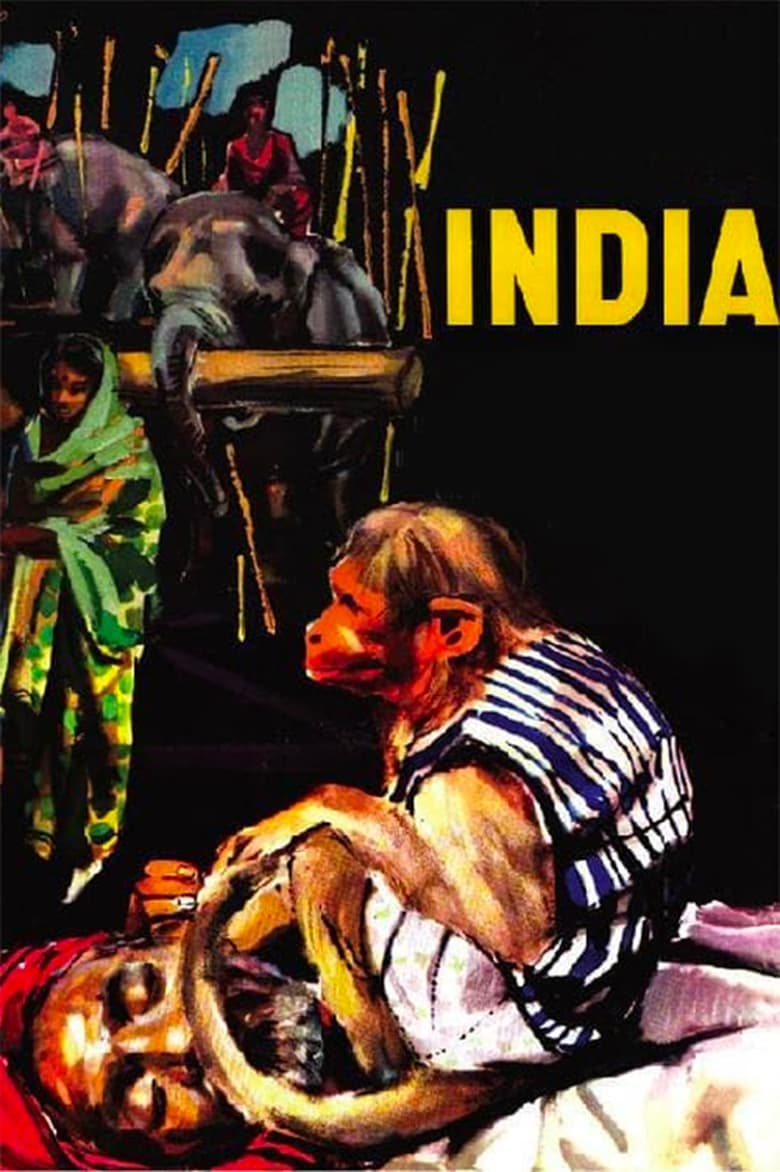
1960
Director
Roberto Rossellini
Runtime
90 minutes
Average Rating
No ratings yetSynopsis
Several stories depicting the landscapes and fauna of India are mixed with documentary footage.
Overall Score
Fair
Category Breakdown
LGBTQ+ Representation
The film contains no evidence of character arcs or dialogue regarding non-heteronormative identities. No specific representation is present.
Gender Representation
The title suggests a focus on feminine archetypes or maternal connections to the land. Women likely appear as grounded, central figures rather than decorative subjects.
Racial & Ethnic Diversity
The work disrupts the Western gaze by centering the Indian experience. It prioritizes local agency and environmental authenticity over romanticized, exoticized tropes.
Religious & Cultural Diversity
The film challenges Western-centric storytelling by prioritizing regional stories and local landscapes. It suggests a spiritual connection to the land outside Western frameworks.
Disability Representation
There is no evidence of characters with visible or invisible disabilities. No representation is noted in the current context.
Strengths
Areas for Improvement
AI Analysis
Rossellini’s neorealist background drives a commitment to observational truth, moving away from the polished, colonial-era ethnographic films common in 1959. By blending documentary footage with dramatic vignettes, the film seeks to present a more authentic, non-Western perspective of the Indian subcontinent. The film excels in racial and ethnic representation by deconstructing the 'exotic' trope. It focuses on the lived reality of the landscape and its people rather than a Westernized fantasy. However, the lack of specific narrative data regarding LGBTQ+ identities or disability representation results in a lower aggregate score. The film's strength lies in its structural intent to disrupt Eurocentric cinematic norms.
No reviews yet. Be the first to share your thoughts on this movie!
Use the rating form above to leave a star rating and optional review.