Towers Open Fire
1963
No user ratings available yet
Representation score: 5.3 out of 10
No Poster Available
Representation Score
Fair
1972
Director
Antony Balch
Runtime
5 minutes
Average Rating
No ratings yetNew Showbiz Analysis
Bill and Tony is a significant piece of counter-cultural cinema, driven by the avant-garde vision of Antony Balch and William S. Burroughs. The film challenges mainstream conventions by focusing on non-traditional sexuality and disrupting traditional narrative structures. While the film excels in deconstructing cultural norms and exploring LGBTQ+ themes, its impact is limited by a narrow, male-centric perspective. The experimental nature of the work prioritizes identity and fragmentation over traditional social hierarchies. Ultimately, the film offers a postmodern exploration of identity, avoiding conventional clichés. However, the lack of visible racial or disability representation hinders a more comprehensive assessment of its diversity.
Category Breakdown
The film focuses on the relationship between two male characters, challenging traditional views of masculinity and intimacy. It centers on non-traditional social structures and male relationships, moving away from typical heterosexual norms.
The film adopts a male-centric approach, breaking down traditional masculine stereotypes. It replaces conventional plot progression with abstract, fragmented interactions, emphasizing the complexity of male experiences.
There is insufficient evidence to evaluate the racial composition of the cast. The available records do not provide data on ethnic diversity.
The film questions Western moral norms through a lens of moral relativism, focusing on individual subjective experiences rather than a cohesive, traditional narrative.
There is no verifiable evidence to assess the portrayal of physical or neurodivergent disabilities within this work.
Present on Screen
Limited or Absent
Official Synopsis
Experimental film by William S. Burroughs and Antony Balch
1963
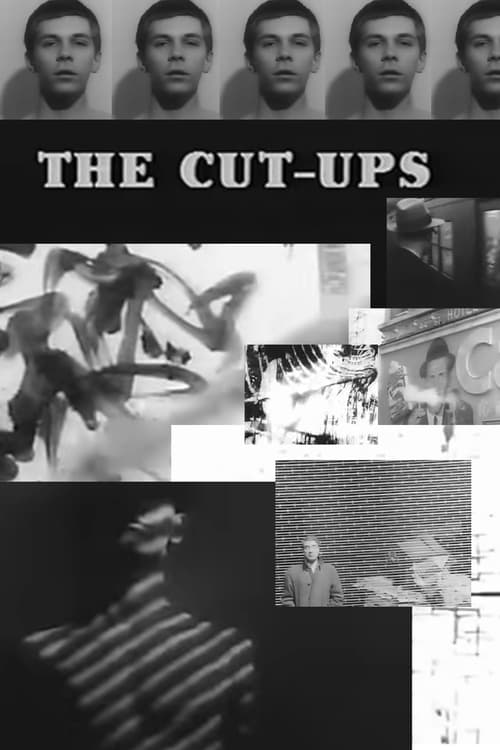
1966
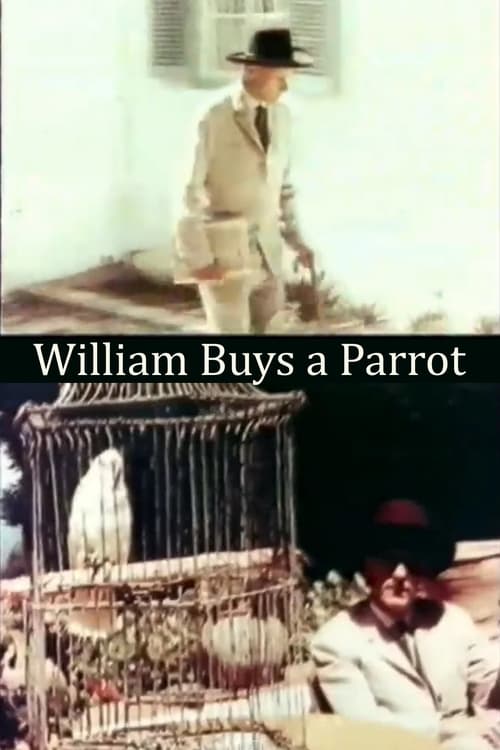
1963
1986
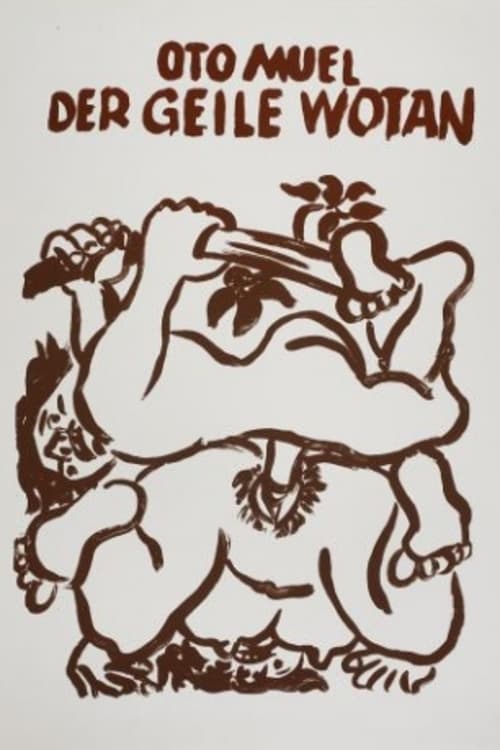
1971
1970

1983
1968
No reviews yet. Be the first to share your thoughts on this movie!
Use the rating form above to leave a star rating and optional review.