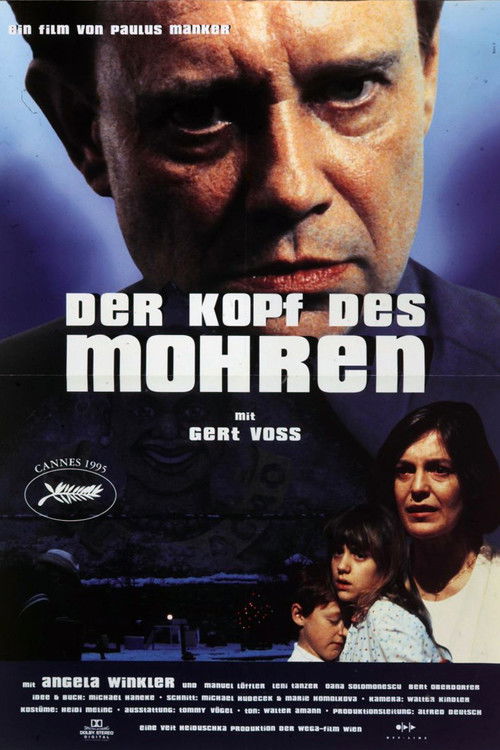
The Moor's Head
1995
No user ratings available yet
Diversity score: 3.6 out of 10

1998
NRDirector
Jonathan Weiss
Runtime
105 minutes
Average Rating
No ratings yetSynopsis
A doctor in a mental research institution is driven insane by the spectacle of the horrors of the twentieth century.
Overall Score
Fair
Category Breakdown
LGBTQ+ Representation
The film offers no evidence of LGBTQ+ characters or non-cisnormative identities. The narrative appears to lack any themes addressing heteronormativity.
Gender Representation
The cast maintains a balanced distribution of male and female actors. However, the story focuses on a male doctor's psychological descent, suggesting a traditional character study.
Racial & Ethnic Diversity
The inclusion of Mariko Takai provides some ethnic diversity within the ensemble. However, the setting likely leans toward a Western-centric historical framework.
Religious & Cultural Diversity
The premise examines the horrors of the twentieth century and systemic trauma. This suggests a critique of historical stability and modern social structures.
Disability Representation
The mental research institution setting places neurodivergence at the center of the story. There is a risk the protagonist's insanity serves as a mere plot device.
Strengths
Areas for Improvement
AI Analysis
The film functions as a character-centric psychological drama that prioritizes existential and historical themes over demographic representation. It explores the intersection of individual psyche and systemic trauma through a literary lens. While the narrative deconstructs stability, it lacks verifiable evidence of intersectional casting. The focus remains on institutional and psychological breakdown rather than social representation.
1995
1989

1991
1928
1998
1971

2007

2012
2007
1976

1988
2002
No reviews yet. Be the first to share your thoughts on this movie!
Use the rating form above to leave a star rating and optional review.