
Those Glory Glory Days
1983
No user ratings available yet
Representation score: 3.7 out of 10
Representation Score
Minimal
1968
Director
Ken Loach
Runtime
74 minutes
Average Rating
No ratings yetNew Showbiz Analysis
The film opens in the cramped, smoke-filled interiors of Merseyside, where the camera treats a football match with the same gravity as a religious rite. Ken Loach’s 1968 debut uses this obsession to expose the hollow core of traditional masculinity: men who claim to love their families are actually devoted to a club that demands their time, money, and emotional energy. The sold meaning is clear—football is a secular religion that keeps workers compliant, while women silently absorb the domestic fallout. The argument pulls against its own logic, however. While the film critiques the men’s neglect, it ultimately validates the football culture as a site of genuine community and working-class identity. The women are not portrayed as victims of a patriarchal system but as supportive partners who understand the "game." This creates a tension: the film wants to be a socialist critique of consumerism and male distraction, yet it refuses to condemn the football itself. The last image does not offer a utopian resolution but a return to the present struggle, suggesting that the "Golden Vision" of a better society is perpetually deferred by the immediate demands of the match. In this moment of British social realism, the camera loves the men’s passion but pities the women’s endurance. The film’s moral verdict is ambiguous: it celebrates the collective spirit of the fans while ignoring the gendered labor that makes their leisure possible. It is a film that wants to indict the system but ends up apologizing for the men within it.
Category Breakdown
The narrative centers on heterosexual domesticity and male camaraderie within a working-class football context. No same-sex intimacy, queer identity, or non-binary representation appears on screen.
Women like Annie Coyne serve as domestic anchors, enduring the men’s obsessions without political agency. The camera treats female endurance as the moral cost of male passion, offering no critique of the gendered division of labor.
The cast is exclusively white, reflecting the homogeneous social reality of 1960s Merseyside. Race is invisible; the film’s conflict is strictly class-based, with no engagement in ethnic identity or diversity.
Traditional institutions like family and religion are framed as obstacles to political awakening. The film champions collective action over individual merit, treating the state and capital as the true antagonists in a socialist moral framework.
No characters possess visible impairments or disabilities. Physical exhaustion from labor is depicted, but it functions as a class marker rather than a specific disability narrative or identity.
Present on Screen
Limited or Absent
Official Synopsis
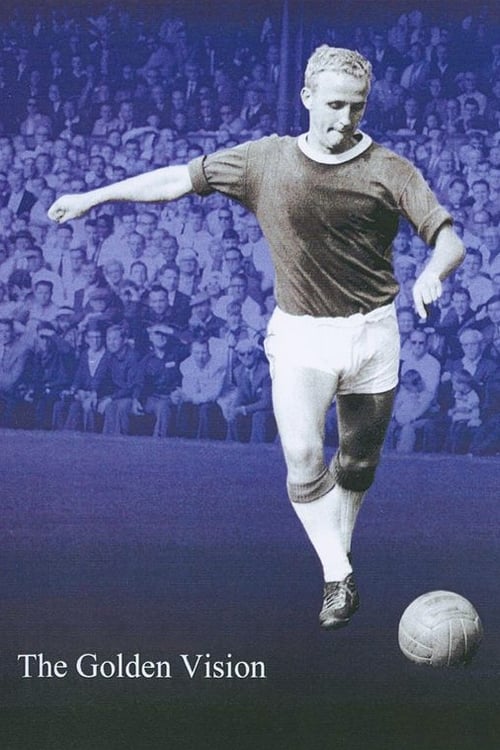
The obsessive supporters of Everton FC forsake wives, families and God to follow their beloved team. Meanwhile, the club and its players try to live up to their expectations.
1983

1997
1970

1963
1980

1984

2013

1989
No reviews yet. Be the first to share your thoughts on this movie!
Use the rating form above to leave a star rating and optional review.