
The Fix
1997
No user ratings available yet
Representation score: 3.2 out of 10
Representation Score
Limited
1983
PGDirector
Philip Saville
Runtime
90 minutes
Average Rating
No ratings yetNew Showbiz Analysis
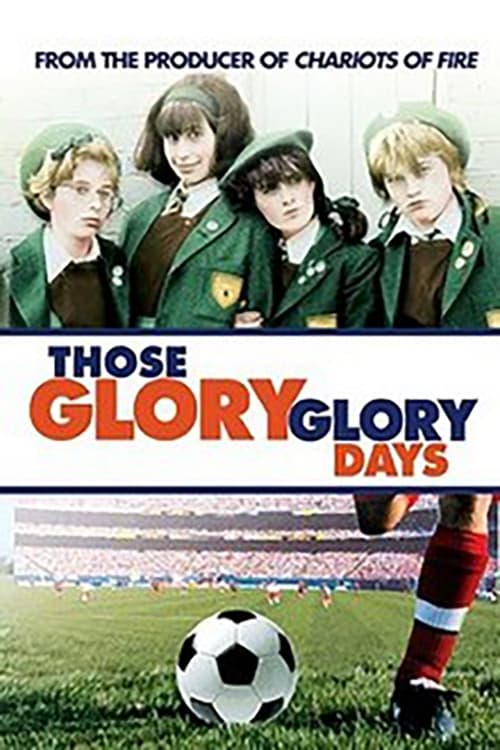
Those Glory Glory Days is a period drama that highlights the strength of female empowerment within a traditionally male-dominated sport. By focusing on female spectatorship and historical inquiry, it offers a unique perspective on 1960s football culture. However, the film remains limited by its historical focus, offering little in the way of LGBTQ+ or multi-ethnic representation. The depiction of the era prioritizes a homogeneous social circle, reflecting the specific demographic context of the time. Ultimately, the film functions as a nostalgic study of British identity, emphasizing female empowerment within a niche cultural setting but lacking broader social diversity.
Category Breakdown
The film does not include any explicit LGBTQ+ characters or narratives. The story focuses on the strong bond between female protagonists and their passion for football.
The narrative centers on female empowerment within the hyper-masculine environment of 1960s English football. This choice challenges traditional gender roles in sports fandom.
The film appears to focus on a specific, likely homogeneous social group typical of the era. There is no indication of multi-ethnic perspectives within the football community.
The story serves as a nostalgic look at British cultural institutions like football. It celebrates community and shared history in a traditional manner.
There is no documented evidence regarding the portrayal of physical or neurodivergent disabilities in this work.
Present on Screen
Limited or Absent
Official Synopsis
Girls growing up in 1960-61 London develop a passion for Tottenham Hotspur Football Club, the first British team in the 20th century to win the English league and FA Cup "double". Twenty years later, one of the girls tracks down players of the '60-'61 Spurs for a documentary.
1997
2013
1994

1963
1996
1997

2015
2003
No reviews yet. Be the first to share your thoughts on this movie!
Use the rating form above to leave a star rating and optional review.