The Beasts
1980
No user ratings available yet
Representation score: 1.9 out of 10
Representation Score
Minimal
1994
Director
Tak-Sing Tam, Yang Chuan
Runtime
89 minutes
Average Rating
No ratings yetNew Showbiz Analysis
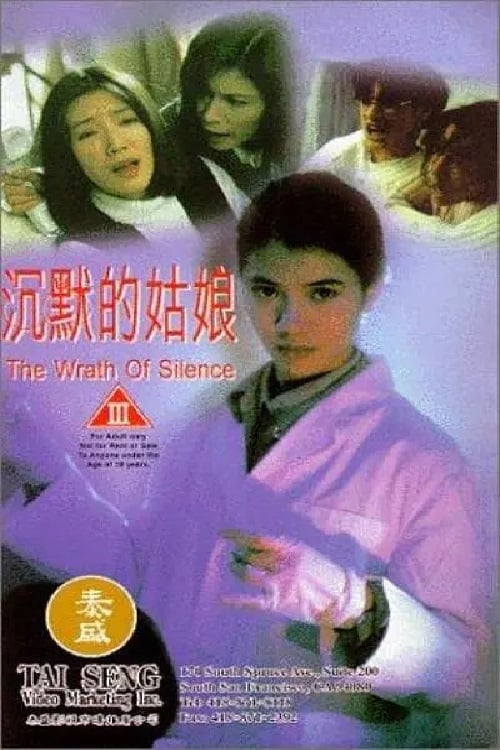
Bloody Beast is a product of 1990s Hong Kong exploitation cinema, emphasizing visceral shock over progressive social commentary. The narrative is driven by a male protagonist's violent reaction to female biological functions, reinforcing harmful gender hierarchies. The film lacks meaningful representation across nearly all categories. It operates within a culturally homogeneous framework and uses psychological distress solely to fuel a murder spree, avoiding any nuanced or systemic exploration of identity. Ultimately, the film adheres to traditional exploitation clichés. It focuses on antisocial behavior and individual pathology, offering no subversion of patriarchal violence or perspectives that reflect multiple aspects of identity.
Category Breakdown
The film does not include any LGBTQ+ characters or non-cisgender identities. The story revolves around a male character's obsession, which does not address queer identity or community dynamics.
Women are portrayed as targets of predatory aggression rather than having autonomy. The storyline relies on a framework where female characters are defined by their roles as victims of male trauma.
The film features a predominantly Chinese cast within a culturally uniform setting. It does not explore multicultural blending or diverse racial dynamics.
The story centers on individual criminal behavior rather than broader social justice or cultural critique. It follows a standard exploitation narrative without delving into secular or societal issues.
Psychological instability is used as a plot device for horror rather than a nuanced exploration of mental health. No characters with physical or neurodivergent disabilities are given significant roles.
Present on Screen
Limited or Absent
Official Synopsis
After having been sexually aroused and then humiliated by a woman who was breast-feeding her baby while he was a child, a young man named Chen Siu-hsiong (Lawrence Ng) will go on a wild murder spree where he will kill every woman that he see breast-feeding her child in public.
1980
1993

1999
1996

1981
1966
1994
2008
No reviews yet. Be the first to share your thoughts on this movie!
Use the rating form above to leave a star rating and optional review.