
L3.0
2014
No user ratings available yet
Representation score: 0.6 out of 10
Representation Score
Minimal
2010
Director
Mamoru Oshii
Runtime
11 minutes
Average Rating
No ratings yetNew Showbiz Analysis
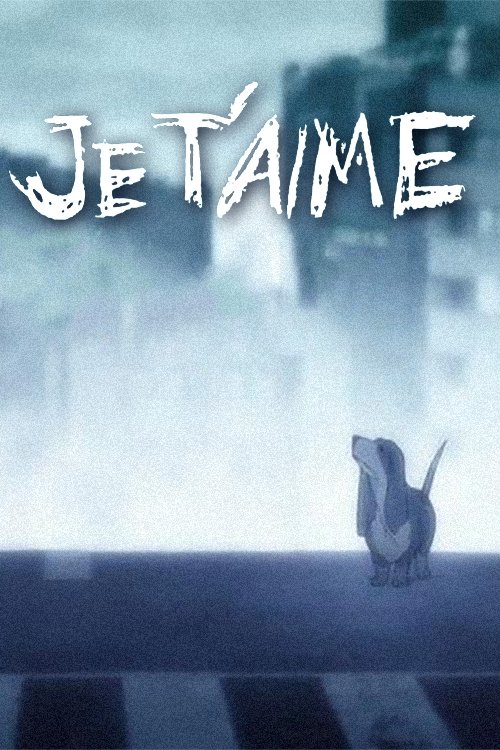
Je t'aime is a minimalist science fiction short that explores a post-human Tokyo through the eyes of a solitary basset hound. Since the story lacks human characters, it cannot be evaluated using traditional metrics of identity politics, such as gender, race, or sexual orientation. However, the film achieves a unique form of progressive representation by eliminating human institutions. By removing capitalism, organized religion, and social hierarchies, the narrative shifts focus to a primal search for warmth and connection. Ultimately, the low diversity score reflects the non-human focus rather than a lack of thematic depth. The film successfully deconstructs civilization itself.
Category Breakdown
The film focuses on a canine protagonist in a world without humans. Since there are no human characters, there are no interactions or romantic dynamics involving LGBTQ+ identities.
Without human characters, there are no gender hierarchies or roles to evaluate. The narrative does not depict masculine or feminine traits.
Set in Tokyo, the film lacks human characters, making racial or ethnic representation irrelevant. There are no human characters to consider.
The film presents a highly secular environment where religion and state have dissolved completely. It emphasizes primal connections over social status.
There is no depiction of neurodivergence or physical disabilities in the film. The focus remains solely on the non-human protagonist.
Present on Screen
Limited or Absent
Official Synopsis
Set in Tokyo in the near future, when all humanity has been wiped out, a lonely basset hound wanders around a deserted city. Its only wish is to feel the warmth of a human being once more.
2014

1987

2017

1989

2005

2009

1984

2010
No reviews yet. Be the first to share your thoughts on this movie!
Use the rating form above to leave a star rating and optional review.