
Greyhound
2020
No user ratings available yet
Representation score: 0.3 out of 10

Representation Score
Fair
2016
RDirector
Mario Van Peebles
Runtime
128 minutes
Average Rating
No ratings yetNew Showbiz Analysis
Mario Van Peebles' war epic challenges the sanitized, heroic myths of the genre by presenting a multi-ethnic crew who play a significant role in driving the story. However, the film remains tethered to traditional masculine archetypes and lacks female characters or LGBTQ+ representation. It shifts focus from pure heroism to the systemic vulnerabilities of individuals, critiquing institutional failures and the psychological toll of war.
Category Breakdown
The film focuses entirely on a masculine wartime ensemble. It lacks non-assuming gender matches what was assigned at birth identities or narratives that critique the assumption that everyone is straight or cisgender, adhering to the social constraints of 1945.
The film operates within a strictly traditional masculine framework, featuring an all-male cast focused on military roles and hierarchies. It does not engage with female characters or their ability to act.
The film includes a diverse range of sailors, including Black, Hispanic, and Asian-American actors, who play significant roles in the story. This reflects a more integrated historical reality.
The narrative highlights systemic failures within military institutions, critiquing uncritical patriotism and exploring the complex morality of military command.
The film portrays the lasting psychological impact of combat-related trauma, providing a nuanced look at invisible disabilities.
Present on Screen
Limited or Absent
Official Synopsis
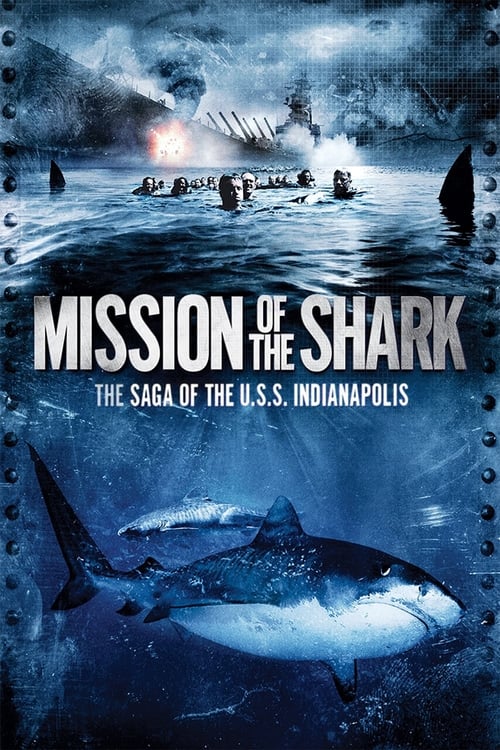
The harrowing true story of the crew of the USS Indianapolis, who were stranded in the Philippine Sea for five days after delivering the atomic weapons that would eventually end WWII. As they awaited rescue, they endured extreme thirst, hunger, and relentless shark attacks.
2020

2014

2017

1944
1991

1968

2014
1957
No reviews yet. Be the first to share your thoughts on this movie!
Use the rating form above to leave a star rating and optional review.