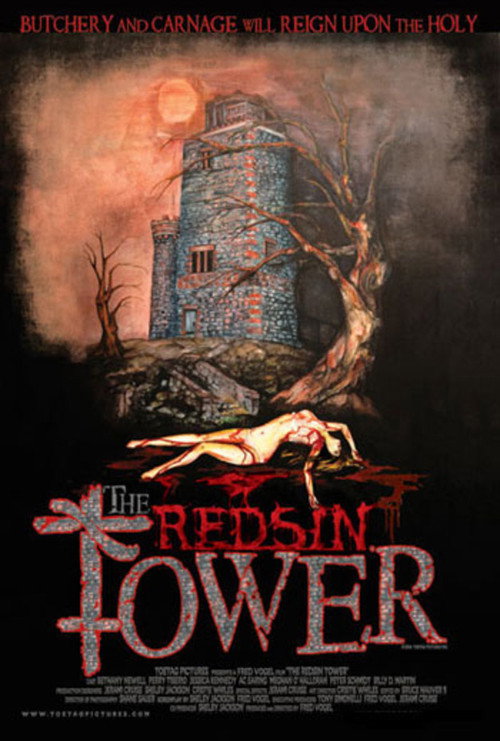
The Redsin Tower
2006
No user ratings available yet
Representation score: 1.2 out of 10

Representation Score
Limited
2006
Not RatedDirector
Mark Atkins
Runtime
85 minutes
Average Rating
No ratings yetNew Showbiz Analysis
Halloween Night operates within the traditional framework of the slasher genre, prioritizing archetypal characterizations over nuanced identity exploration. The film relies on established horror clichés that favor conventional social groupings and homogeneous demographics. Representation is limited by the film's focus on individual survival and cinematic menace. Rather than disrupting social hierarchies, the narrative reinforces them through standard genre conventions. Most notably, the film utilizes physical disability as a primary source of terror. This approach uses trauma as a tool for antagonism rather than offering a complex or empathetic portrayal of neurodivergent or physical differences.
Category Breakdown
The film follows typical horror conventions with a central villain and a group of victims. There is no representation of LGBTQ+ identities or critiques of the assumption that everyone is straight or cisgender.
The film divides ability to act between a physically dominant antagonist and a group of teenagers. It lacks a sophisticated challenge to gender hierarchies or deconstruction of masculine leadership.
The narrative appears to follow homogeneous demographic patterns common in mid-2000s independent horror. There is no indication of a diverse or non-Anglo-Saxon majority cast.
The story centers on a localized conflict between an escaped patient and partygoers. It avoids engagement with systemic critiques or the deconstruction of Western institutions.
A character with physical trauma and a history of institutionalization drives the horror. The disability serves as a plot device to elicit fear rather than providing nuanced ability to act.
Present on Screen
Limited or Absent
Official Synopsis
A horribly burned man escapes from a mental institution and terrorizes teenagers at a party.
2006

2006

2005

2006

1987
2022
2006

2007
No reviews yet. Be the first to share your thoughts on this movie!
Use the rating form above to leave a star rating and optional review.