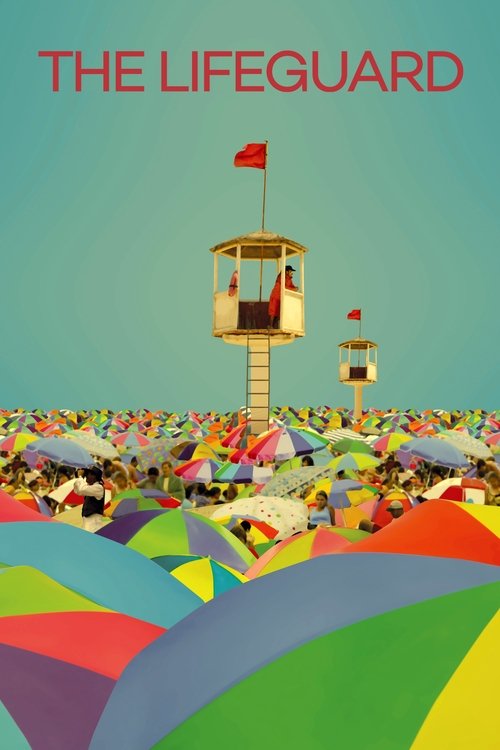
The Lifeguard
2011
No user ratings available yet
Diversity score: 5.6 out of 10

2021
UnratedDirector
Theo Anthony
Runtime
109 minutes
Average Rating
No ratings yetSynopsis
Filmmaker Theo Anthony offers a far-ranging look at the biases in how people see things, focusing on the recorded image.
Overall Score
Fair
Category Breakdown
LGBTQ+ Representation
The film maintains a neutral stance regarding queer identities. It lacks explicit LGBTQ+ character arcs or romantic narratives due to its focus on urbanism and environmental observation.
Gender Representation
Gendered tropes are avoided by centering the inquiry on light and space. The narrative prioritizes the relationship between the observer and the city rather than traditional gender hierarchies.
Racial & Ethnic Diversity
The documentary provides a nuanced look at the multi-ethnic Singaporean landscape. It disrupts the Eurocentric gaze by exploring how identity is etched into a post-colonial geography.
Religious & Cultural Diversity
The work engages deeply with themes that challenge Western institutional narratives. It critiques how rapid capitalist development can erase local history and non-Western cultural identities.
Disability Representation
No characters with visible or invisible disabilities are explicitly centered. However, the film's investigation into sensory perception offers a meta-commentary on how humans interface with their environment.
Strengths
Areas for Improvement
AI Analysis
Theo Anthony’s documentary succeeds as an intellectual meditation on perception and urbanism. By utilizing Singapore as a subject, the film effectively disrupts Eurocentric perspectives on modernization and post-colonial identity. While the film lacks traditional character-driven representation, it finds strength in its systemic critique of how architecture and capital shape human consciousness. It moves beyond individual identity politics to examine the broader mechanics of sight. Ultimately, the work functions as a deconstruction of power. It explores how the built environment influences collective memory and the preservation of localized culture against the tide of hyper-modernization.
2011

2003
1994
2011

2022

2008

2021

2020
2021
2002

1987
2018
No reviews yet. Be the first to share your thoughts on this movie!
Use the rating form above to leave a star rating and optional review.