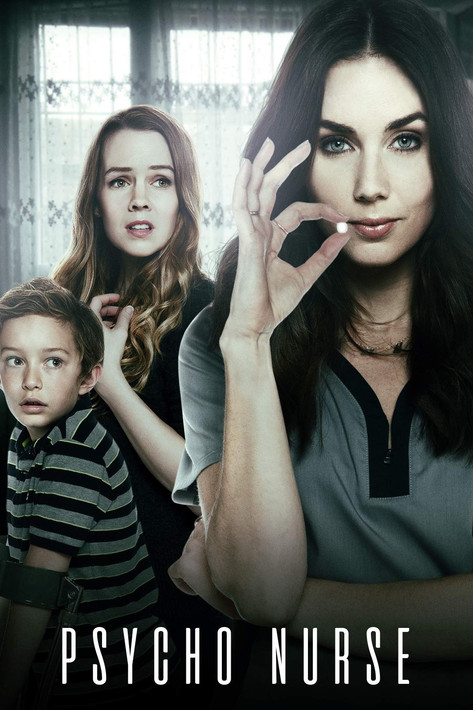
Psycho Nurse
2019
No user ratings available yet
Representation score: 1.3 out of 10
Representation Score
Fair
2019
TV-14Director
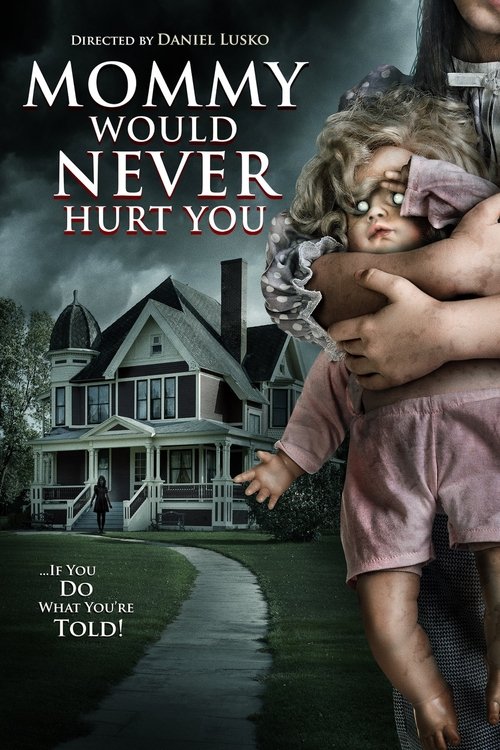
Daniel Lusko
Runtime
90 minutes
Average Rating
No ratings yetNew Showbiz Analysis
Mommy Would Never Hurt You is a conventional domestic thriller centered on individual psychological conflict. The narrative emphasizes a high-stakes family drama over exploring identity politics or systemic power structures. While the film highlights female characters and medical conditions, these elements operate within traditional genre conventions. The story lacks the intention to disrupt social hierarchies or provide characters who reflect more than one aspect of diversity. Ultimately, the film remains focused on the breakdown of the maternal bond, avoiding broader socio-political commentary.
Category Breakdown
The film centers on a traditional nuclear family and does not include any queer narratives or non-cisgender identities.
Female characters play a crucial role in the plot, but the conflict revolves around a distorted maternal archetype rather than challenging traditional gender roles.
The story follows a standard domestic thriller format and does not feature a diverse or multicultural cast.
The narrative explores family dysfunction and the breakdown of maternal bonds, focusing on individual issues rather than broader socio-political critiques.
A character's illness drives the plot, providing visibility for medical conditions, but the disability might primarily serve the antagonist's control.
Present on Screen
Limited or Absent
Official Synopsis
Riley wants to rebuild her relationship with her mother and little sister, who are shut-ins due to her sister's illness. When Riley realizes her sister may not be sick, her mother will stop at nothing to keep her daughters with her forever.
2019
2017

2019

2020
2019
2023

2020
2019
No reviews yet. Be the first to share your thoughts on this movie!
Use the rating form above to leave a star rating and optional review.